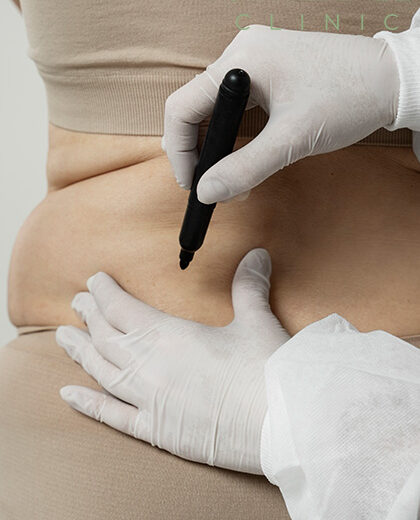
How do I stop from getting stretch marks?

Stretch marks can appear during pregnancy, puberty, rapid weight changes, or muscle growth. Although they are common and harmless, many people want to know how to prevent them before they become visible. The good news is that a consistent skincare routine, healthy lifestyle habits, and early attention to changes in the skin can support skin health. However, no method can guarantee that stretch marks will never develop.
At JMED Clinic Dubai, stretch mark care goes beyond basic skincare. The clinic offers the JMED Stria Repair Method™, a specialised approach combining precision needling, the FillerX device, and Italian cosmeceuticals to help improve the appearance and texture of stretch-mark-affected skin.
Whether you are looking for ways to prevent stretch marks during pregnancy, wondering how to stop stretch marks from getting worse, or exploring professional stretch mark treatment in Dubai, this guide explains what you can realistically do at home and when professional support may be worth considering.
To reduce the risk of developing stretch marks, maintain a gentle daily moisturising routine, eat a balanced diet, stay hydrated, and avoid rapid weight changes where possible. During pregnancy or periods of physical growth, pay attention to areas where your skin feels tight, itchy, or increasingly stretched.
These habits support healthy skin but cannot guarantee prevention, because genetics, hormones, and the rate at which your body changes also influence stretch mark development. If stretch marks have already appeared, a professional assessment can help you understand which treatments may improve their appearance.
What Are Stretch Marks and Why Do They Appear?
Stretch marks, medically known as striae, are lines or streaks that develop when the skin stretches or shrinks relatively quickly. This change can affect collagen and elastin, the structural proteins that help skin maintain its strength and flexibility.
When these supportive structures are disrupted, the healing process can leave visible lines or slightly indented marks on the skin. Stretch marks are not a sign of poor hygiene or inadequate skincare. They can affect people of different ages, body types, and skin tones.
Common areas where stretch marks develop include:
- Abdomen: Frequently affected during pregnancy or significant changes in body size.
- Hips and thighs: Common areas during puberty, weight changes, and muscle development.
- Breasts: Stretch marks may develop during puberty, pregnancy, or other hormonal changes.
- Buttocks: Growth and changes in body composition can contribute to their appearance.
- Upper arms and lower back: These areas may be affected during growth spurts or muscle development.
Stretch marks may initially appear pink, red, purple, reddish-brown, or darker than the surrounding skin. Over time, they often become lighter, silvery, or white and may develop a slightly sunken texture.
Understanding why stretch marks form is the first step towards managing your risk and choosing the right approach to skin care.
How to Not Get Stretch Marks: 8 Practical Prevention Tips
If you are searching for how to not get stretch marks, start with habits that support your skin’s overall condition. Although these steps cannot prevent every stretch mark, they can help you maintain a consistent skincare routine and respond to changes in your body.
1. Moisturise Your Skin Every Day
Daily moisturising can help reduce dryness, relieve tightness, and keep the skin feeling comfortable as your body changes. Choose a moisturiser suited to your skin type and apply it consistently to areas such as the abdomen, hips, breasts, thighs, and upper arms.
Ingredients such as glycerin, ceramides, and hyaluronic acid can help support skin hydration. Massage the product gently rather than scrubbing or applying excessive pressure.
It is important to understand that moisturising does not guarantee stretch mark prevention. A hydrated skin surface may feel softer and more comfortable, but moisturisers cannot reliably prevent the deeper structural changes responsible for stretch marks.
2. Avoid Rapid Weight Changes Where Possible
Rapid changes in body size can increase the likelihood of stretch marks in people who are susceptible to them. If you are working towards a fitness goal, aim for a gradual, sustainable approach rather than extreme weight fluctuations.
For people building muscle, a structured training plan and appropriate nutrition can help support steady progress. Weight changes during pregnancy, puberty, or medical treatment may not be fully within your control, and stretch marks can develop even when you follow healthy habits.
The goal is not to prevent normal body changes. It is to support your overall health and avoid unnecessary or extreme fluctuations where possible.
3. Eat a Balanced Diet That Supports Skin Health
Your skin needs adequate nutrients to maintain its normal structure and repair processes. Include a variety of foods that provide protein, vitamin C, zinc, and other essential nutrients.
Useful food choices include:
- Eggs, fish, beans, lentils, and other protein-rich foods.
- Citrus fruits, berries, peppers, and other vitamin C sources.
- Nuts, seeds, legumes, and whole grains that contribute zinc.
- A variety of vegetables and fruits for a broad range of vitamins and minerals.
Vitamin C plays a role in collagen production, while protein provides amino acids needed by the body to maintain and repair tissues. However, eating particular foods or taking supplements has not been proven to prevent stretch marks completely. Supplements are best considered when there is a nutritional need, rather than as a guaranteed prevention strategy.
4. Stay Hydrated
Drinking enough water helps maintain normal body function and supports general health. Combine regular fluid intake with moisturising to help manage skin dryness and discomfort.
However, drinking extra water beyond your body’s needs will not prevent the collagen and elastin changes associated with stretch marks. Hydration is one part of a healthy routine, not a stand-alone stretch mark prevention treatment.
5. Take Extra Care During Pregnancy
Pregnancy is one of the most common times for stretch marks to appear, particularly as the abdomen and breasts change in size. Hormonal changes can also influence the skin.
If you are pregnant, maintain a gentle skincare routine, use a suitable moisturiser, and discuss any new products or treatments with your healthcare professional. Avoid harsh exfoliation and do not assume that a product marketed as a stretch mark prevention cream is proven to work.
If stretch marks develop despite your efforts, remember that this is common and does not mean you have done anything wrong.
6. Support Your Skin During Puberty and Muscle Growth
Stretch marks can appear during adolescence because the body may grow quickly over a relatively short period. They can also develop when muscle size increases rapidly during strength training.
You cannot control every growth-related change, and stretch marks during puberty are not unusual. A balanced diet, appropriate exercise, and gentle skincare support general skin health, but no topical product can guarantee that marks will not develop.
7. Choose Skincare Products Carefully
Products marketed for stretch mark prevention often contain oils, butters, moisturising agents, or ingredients intended to support skin texture. These products may help with dryness, but evidence that popular oils and butters reliably prevent stretch marks is limited.
When choosing a product, look for one that suits your skin, is easy to use consistently, and does not cause irritation. If you are pregnant or breastfeeding, consult your healthcare professional before using products containing retinoids or other ingredients that may not be suitable.
Avoid relying on products that promise guaranteed prevention or complete removal in a few days.
8. Pay Attention to Changes in Your Skin
New stretch marks may begin as coloured lines and can sometimes feel itchy. Not every itchy or tight area means a stretch mark is developing, but noticeable changes can be a reason to review your skincare routine or seek professional advice.
If you are concerned about a new mark, its cause, or a sudden increase in the number of marks, a qualified healthcare professional can help assess your skin and determine whether further evaluation is needed.
Early attention is useful because newer stretch marks may respond differently to treatment than older, mature marks. It does not mean that every early mark can be stopped before it forms.
How to Stop Stretch Marks From Getting Worse
If you have already noticed stretch marks, you may be asking how to stop stretch marks from spreading or becoming more noticeable.
First, understand that stretch marks are not contagious and do not spread from one part of the body to another. However, additional marks may develop in nearby areas if your skin continues to undergo rapid stretching or hormonal changes.
Consider the following steps:
Maintain consistent skin care. Use a gentle cleanser and moisturiser to help reduce dryness and irritation. Avoid aggressive scrubbing, which can irritate the skin without repairing the underlying structural changes.
Manage body changes sensibly. Where possible, avoid extreme weight fluctuations and follow a balanced fitness routine. Normal growth and pregnancy can still cause stretch marks.
Do not scratch or irritate the area. If a stretch mark feels itchy, use a gentle moisturiser and seek advice if the itching persists or becomes severe.
Avoid unverified treatments. Strong exfoliants, harsh home remedies, and excessive use of active skincare ingredients can cause irritation and may not improve stretch marks.
Seek an individual assessment. If marks are becoming more noticeable or you want to improve their appearance, a skin specialist can discuss suitable options based on the age, colour, depth, and location of the marks.
If stretch marks develop suddenly without an obvious reason, become widespread, or appear alongside other symptoms, consult a healthcare professional. Certain medical conditions and prolonged use of corticosteroid medicines can be associated with stretch marks.
Do Stretch Marks Go Away on Their Own?
Stretch marks often become less noticeable over time, but they may not disappear completely. Newer marks tend to be more colourful, while mature marks frequently become lighter and may have a different texture from the surrounding skin.
The natural fading process varies from person to person. Factors such as skin tone, the age of the marks, their depth, and individual healing patterns can influence their appearance.
If the marks are not causing discomfort or concern, treatment is not medically necessary in most cases. If you would like to improve their appearance, professional treatment may help make them less noticeable.
The realistic goal is usually improvement in colour, texture, and overall visibility rather than a guarantee that the skin will return exactly to its previous condition.
Red Stretch Marks vs White Stretch Marks: Does Treatment Differ?
The colour of a stretch mark can offer a clue about how long it has been present, although colour alone cannot determine the best treatment.
Red, Pink, or Purple Stretch Marks
Newer stretch marks may appear red, pink, purple, or reddish-brown, depending on your skin tone. They may also feel slightly raised or itchy.
Because these marks are relatively recent, certain topical treatments or professional procedures may be more helpful at this stage than they are for mature marks. Suitability depends on your skin and the treatment being considered.
White or Silver Stretch Marks
Older stretch marks often become white, silver, or lighter than the surrounding skin. They may also look indented or have a different texture.
Mature stretch marks can be more challenging to improve because their structural changes have been present for longer. Treatments that support collagen remodelling and skin texture may help reduce their visibility, but results vary.
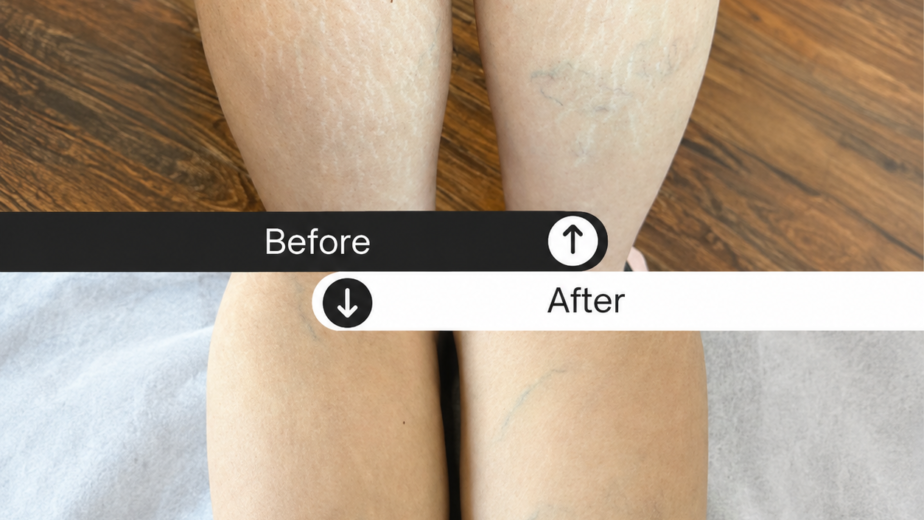
At JMED Clinic Dubai, the JMED Stria Repair Method™ is designed specifically for stretch-mark-affected skin. A consultation can help determine whether the approach is suitable for your particular concerns.
Can You Prevent Stretch Marks During Pregnancy?
Pregnancy-related stretch marks are common, and no skincare routine can guarantee that they will not appear. Genetics, hormonal factors, and changes in body size all play a role.
If you are pregnant and want to reduce your risk, consider these practical habits:
- Apply a gentle, pregnancy-appropriate moisturiser regularly.
- Maintain a balanced diet and follow your maternity care team’s nutritional advice.
- Drink fluids regularly according to your needs.
- Avoid harsh skincare products and unverified prevention treatments.
- Ask your healthcare professional before using retinoids or starting an active skincare regimen.
- Discuss any unusual skin changes or persistent symptoms with your healthcare professional.
It is also important to separate prevention from treatment. A product that makes your skin feel softer may improve comfort without preventing stretch marks from developing. If marks appear, you have not failed at skincare.
For professional stretch mark treatment, ask your healthcare professional when it is appropriate to consider procedures, particularly during pregnancy or breastfeeding.
Do Oils, Cocoa Butter, and Stretch Mark Creams Really Work?
Many people use cocoa butter, almond oil, coconut oil, vitamin E, and specialised stretch mark creams in the hope of preventing marks or making existing ones disappear.
These products can have a role in moisturising the skin, but that is different from repairing the structural changes beneath the surface. Research has not established that popular oils and butters reliably prevent stretch marks or remove established marks.
Some ingredients, including hyaluronic acid and certain prescription retinoids, have shown potential benefits for selected early stretch marks. However, results are not guaranteed, and prescription treatments are not suitable for everyone. Retinoids should be avoided during pregnancy, and any use while breastfeeding should be discussed with a healthcare professional.
If a product promises to remove all stretch marks quickly, approach that claim with caution. Choose skincare based on realistic benefits, ingredient suitability, and professional advice where necessary.
What Is the Best Treatment for Existing Stretch Marks?
If stretch marks have already formed, the best approach depends on their age, depth, colour, location, and your skin’s characteristics. There is no single treatment that works equally well for everyone.
Options used in professional skin care and dermatology may include:
Topical Treatments
Selected topical ingredients may improve the appearance of some early stretch marks. Their effectiveness varies, and they generally cannot fully correct deeper changes in skin structure.
Microneedling
Microneedling uses controlled, tiny punctures in the skin to stimulate a wound-healing response and collagen remodelling. It is used in some stretch mark treatment plans, although suitability, possible side effects, and expected improvement depend on the individual.
Radiofrequency-Based Procedures
Radiofrequency treatments deliver energy into the skin to support tissue remodelling. They may be considered for improving the appearance and texture of stretch marks, depending on the technology and the individual’s skin.
Laser and Other Dermatological Procedures
Certain laser treatments and other procedures may help make stretch marks less noticeable. Different technologies target different aspects of the marks, and a qualified practitioner should explain the likely benefits, risks, downtime, and alternatives.
Professional procedures can cause temporary redness, swelling, irritation, or pigment changes. A proper assessment is important, particularly for people who are prone to post-inflammatory pigmentation.
How JMED Clinic Treats Stretch Marks With the JMED Stria Repair Method™
At JMED Clinic Dubai, stretch mark treatment focuses on improving the appearance of affected skin through a specialised protocol known as the JMED Stria Repair Method™.
Developed by aesthetic expert Jurgita Jasiunaite, the method combines three core elements: a specialised precision needling technique, the FillerX device, and premium Italian cosmeceuticals. The approach is designed to support skin regeneration and improve the appearance and texture of stretch marks.
1. JMED Precision Needling Technique
The specialised needling technique uses controlled micro-injuries to stimulate the skin’s natural repair response. This process is intended to support collagen remodelling and improve the texture of stretch-mark-affected skin.
The treatment approach is tailored to the individual rather than applying an identical protocol to every mark. The practitioner’s assessment helps determine the appropriate technique for the area and condition being treated.
2. FillerX Device Technology
JMED describes its FillerX device as combining medium-frequency radiofrequency with a triple-wavelength light system. The technology is incorporated into the clinic’s stretch mark protocol to support skin regeneration and improve the appearance of the treated area.
The device is used as part of the overall method, rather than as a promise that every stretch mark can be eliminated. Your consultation should clarify what the technology can realistically achieve for your skin.
3. Premium Italian Cosmeceuticals
The method also incorporates Italian cosmeceuticals selected for the treatment protocol. These products are intended to support skin care during the treatment process and help maintain skin hydration and condition.
The exact products and aftercare recommendations should be selected according to your skin, treatment plan, and any sensitivities.
What Makes the JMED Stria Repair Method™ Different?
The method is specifically designed around stretch mark concerns and combines the clinic’s needling technique, FillerX technology, and cosmeceuticals in one protocol.
Rather than relying on a moisturiser alone, the approach focuses on improving the appearance of stretch-mark-affected skin through a tailored professional treatment plan.
At JMED Clinic, the treatment is personalised according to the size, severity, and characteristics of the marks. The clinic’s team can explain the process, expected improvement, and number of sessions that may be appropriate for you.
Learn more about the clinic’s approach on the JMED Clinic stretch mark treatment page.
Is the JMED Stria Repair Method™ Suitable for Red and White Stretch Marks?
The JMED Stria Repair Method™ is offered for stretch mark concerns, but the appropriate treatment plan depends on the individual.
Newer red or purple marks and older white or silver marks can differ in appearance and skin texture. Their response to treatment may therefore vary.
During a consultation, the practitioner can assess the marks, discuss your goals, and explain whether the JMED protocol is suitable. It is important to have realistic expectations: improvement may be possible, but the degree of change and number of sessions cannot be guaranteed in advance.
How Many Sessions Are Needed to Improve Stretch Marks?
There is no universal number of sessions for every person. The number and spacing of treatments depend on factors such as:
- The age and colour of the stretch marks.
- The size of the affected area.
- The depth and texture of the marks.
- Your skin’s response to treatment.
- Your goals and the treatment plan recommended by the practitioner.
Skin remodelling continues after a procedure, so results may develop over time rather than appearing immediately. Your practitioner should explain when improvement can reasonably be assessed and whether additional sessions may be useful.
Avoid choosing a treatment solely on the basis of a promised number of sessions or a guaranteed percentage of removal. An individual assessment is a more reliable starting point.
What to Expect During a Stretch Mark Consultation at JMED Clinic
A consultation is an opportunity to understand your skin and decide whether professional treatment is appropriate.
Your practitioner may review when the marks first appeared, where they are located, any changes in your weight or body size, your skincare routine, and your treatment goals. You should also share relevant medical information, medication use, pregnancy or breastfeeding status, and any history of skin sensitivity or pigmentation concerns.
The practitioner can then discuss the JMED Stria Repair Method™, its components, possible benefits and limitations, and the aftercare required. You should have the opportunity to ask about discomfort, downtime, risks, expected improvement, and alternatives before deciding whether to proceed.
This personalised approach helps ensure that treatment decisions are based on your skin and circumstances, not simply on the popularity of a particular procedure.
When Should You Consider Professional Stretch Mark Treatment?
You may wish to explore professional treatment if your stretch marks affect your confidence, have a noticeable texture, or have not improved as much as you hoped with basic skincare.
A professional consultation can also help if you are unsure whether the marks are recent or mature, or which treatment options are suitable for your skin tone.
However, treatment is a personal choice. Stretch marks are common and generally harmless, and you do not need to remove them to have healthy skin.
If your stretch marks appear suddenly without an obvious cause, become unusually widespread, or occur alongside other symptoms, seek medical advice to check for an underlying cause before pursuing cosmetic treatment.
Meet Jurgita Jasiunaite: The Expert Behind the JMED Stria Repair Method™
JMED Clinic’s Stria Repair Method™ was developed by Jurgita Jasiunaite, an aesthetic expert associated with the clinic’s specialised approach to stretch mark treatment.
The method brings together precision needling, FillerX device technology, and Italian cosmeceuticals in a protocol tailored to stretch-mark-affected skin.
For anyone considering treatment, the most important step is to understand the approach, the evidence and limitations of the technologies involved, and the results that may be realistic for their skin. A consultation at JMED Clinic can help you make an informed decision about whether the treatment aligns with your needs.
Take the Next Step Towards Healthier-Looking Skin
Understanding how to prevent stretch marks begins with realistic expectations, consistent skin care, and awareness of how your body changes. Although no routine can guarantee prevention, healthy habits can support your skin, and professional treatment may help improve the appearance of marks that have already developed.
At JMED Clinic Dubai, the JMED Stria Repair Method™ combines precision needling, FillerX technology, and Italian cosmeceuticals in a specialised approach to stretch mark care.
If you would like to understand which options may suit your skin, arrange a consultation with JMED Clinic to discuss your concerns, treatment suitability, expected results, and personalised care plan.
Explore stretch mark treatments at JMED Clinic to learn more about the JMED Stria Repair Method™.