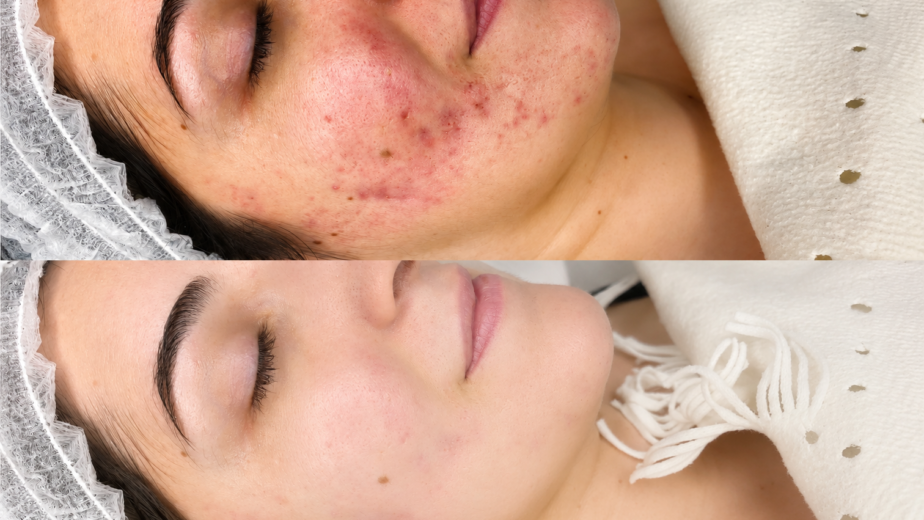
Are You a Candidate for Acne Treatment? How to Know When Your Skin Needs Professional Care
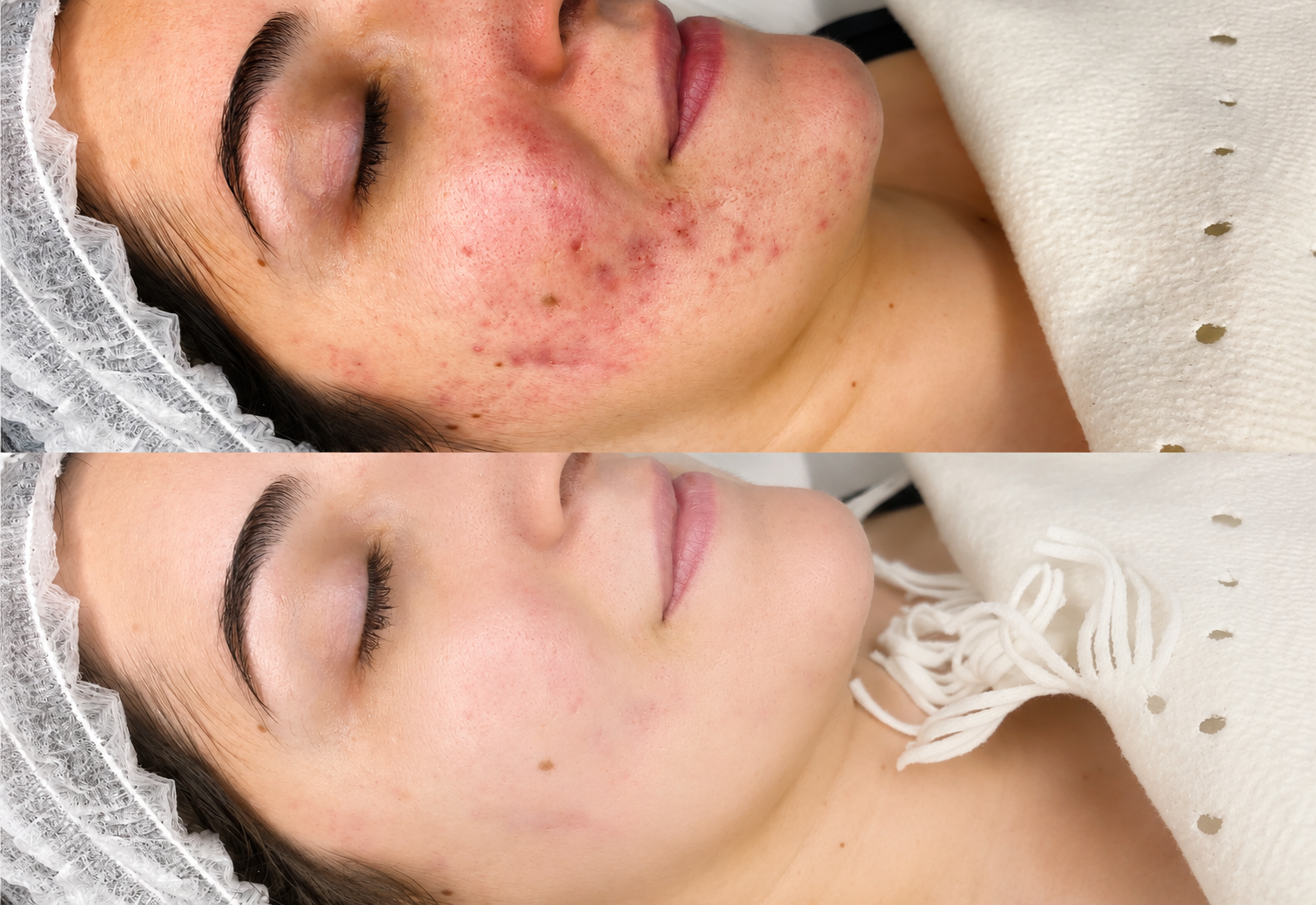
Acne is one of the most common skin concerns, but that does not mean every breakout should be treated in the same way. From occasional pimples and clogged pores to persistent inflammatory acne, the right approach depends on your skin type, the severity of your condition, your age, and what may be triggering your breakouts.
If you are wondering whether you are a candidate for Acne Treatment, the answer is often yes—but the most appropriate treatment depends on what your skin actually needs.
At JMED Clinic Dubai, acne-prone skin can be assessed individually rather than treated with a one-size-fits-all routine. The clinic’s Acne Defence treatment focuses on excess oil, acne-causing bacteria, dead skin-cell buildup, visible pores, inflammation, and acne-related marks.
Whether you are a teenager experiencing your first breakouts, an adult dealing with persistent acne, or someone whose skin has become oily and congested, professional guidance can help you choose a more targeted path.
You may be a candidate for professional acne treatment if you experience recurring pimples, excess oil, clogged pores, persistent breakouts, acne marks, enlarged pores, or early scarring. Professional assessment is particularly useful when home skincare is not controlling your acne or when breakouts are affecting your confidence and skin texture.
Is Acne Treatment Right for You?
There is no single definition of “problem skin.”
For one person, acne may mean a few pimples before an important event. For another, it may mean months or years of breakouts across the face, jawline, chest, or back.
Professional Acne Treatment becomes especially relevant when your skin repeatedly moves through the same cycle:
Excess oil → clogged pores → inflammation → breakout → lingering marks → another breakout.
Breaking that cycle requires more than simply drying out the skin.
JMED Clinic’s Acne Defence treatment is designed for acne-prone and blemished skin, including concerns such as persistent breakouts, acne scarring, excess oil, inflammation, visible pores, and uneven texture.
The first step is therefore not asking, “What is the strongest treatment?”
It is asking:
“What is causing my breakouts, and what does my skin need to become healthier?”
Understanding Acne Before Choosing a Treatment
Acne develops when several factors interact, including excess sebum, clogged pores, inflammation, and acne-associated bacteria.
Hormonal changes can also influence oil production, which is one reason acne commonly begins around puberty. The American Academy of Dermatology notes that acne can affect adolescents as well as adults, meaning it is not exclusively a teenage concern.
Acne can appear as:
- Blackheads
- Whiteheads
- Small pimples
- Red inflamed bumps
- Pustules
- Deeper nodules
- Cysts
- Post-acne marks
- Acne scars
The type and severity of acne matter when selecting treatment.
A product that works well for mild congestion may not be sufficient for persistent inflammatory acne. Conversely, aggressive treatments are not automatically better for someone with occasional breakouts and sensitive skin.
That is why professional assessment is valuable.
What Are the Main Signs That You May Need Professional Acne Care?
You may benefit from professional evaluation if one or more of these concerns sound familiar.
Your Skin Is Constantly Oily
If your face becomes noticeably shiny shortly after cleansing, excess sebum may be contributing to clogged pores and recurring acne.
JMED’s Acne Defence treatment specifically focuses on helping control oil production and reduce visible shine while restoring balance to acne-prone skin.
Breakouts Keep Coming Back
One isolated pimple does not necessarily require professional treatment.
Repeated breakouts, however, suggest that there may be an underlying pattern that needs to be addressed.
Your Pores Look Enlarged or Congested
Oil, dead skin cells, and impurities can contribute to a congested appearance.
Professional exfoliation and targeted skin treatments may help refine texture and improve the appearance of pores.
You Have Acne Marks
Even after the active pimple disappears, redness or pigmentation can remain.
This can make it feel as though the acne never really ends.
Your Skin Feels Rough
Uneven texture may be associated with dead skin-cell buildup, congestion, previous acne, or early scarring.
You Are Tired of Trying Random Products
Switching between multiple cleansers, creams, masks, scrubs, and home remedies can sometimes make it harder to understand what your skin actually needs.
A personalised approach can simplify the process.
Does Mild Acne Need Treatment?
Mild acne does not always require intensive professional procedures.
For some people, a consistent skincare routine and appropriate over-the-counter products may be enough.
However, treatment is for mild acne as well when breakouts are persistent, recurring, cosmetically bothersome, or beginning to leave marks.
The important distinction is between treating a single breakout and managing a recurring skin condition.
The American Academy of Dermatology recommends early attention because treating acne sooner may reduce the risk of scarring, lingering pigmentation, and progression to more severe acne.
So if your acne is mild but persistent, professional guidance can still be worthwhile.
Acne Treatment for Teens: When Should Parents Consider Professional Care?
Teenage acne is extremely common because hormonal changes can increase sebum production.
But “common” does not mean it should simply be ignored.
Acne treatment for teens can be appropriate when:
- Breakouts occur frequently
- The skin becomes excessively oily
- Pimples are inflamed or painful
- Blackheads and whiteheads are widespread
- Acne is leaving marks
- The teenager frequently picks or squeezes pimples
- Acne is affecting confidence
- Home skincare is not producing improvement
The AAD recommends treating acne early because this can help reduce the likelihood of scarring and prevent mild acne from progressing.
For teenagers, the objective should not be perfectly “dry” skin.
The objective is balanced, healthy skin with controlled breakouts.
What About Adults With Acne?
Acne is not something you automatically outgrow.
Adults can experience acne because of hormonal changes, stress, genetics, skincare habits, medication, or other contributing factors.
Adult acne may appear around:
- The jawline
- Chin
- Cheeks
- Forehead
- Neck
Some adults experience predominantly clogged pores, while others develop inflammatory breakouts.
If your acne continues despite maintaining a consistent routine, an assessment can help determine whether your current approach is addressing the underlying concern.
Which Acne Treatment Options May Be Appropriate?
The ideal approach depends on your skin.
There is no universally “best” acne treatment.
Medical acne care can involve topical products, prescription treatments, professional procedures, or combinations of approaches. The AAD’s current acne guidelines include evidence-based topical and systemic treatments, while also emphasising that treatment should be matched to the patient’s condition.
At JMED Clinic, the available approach includes targeted professional skin treatments designed around individual concerns.
Acne Defence at JMED Clinic
JMED Clinic’s Acne Defence is specifically positioned for acne-prone or blemished skin.
According to JMED Clinic, the treatment is designed to:
- Control excess oil
- Help address acne-causing bacteria
- Exfoliate dead skin cells
- Refine skin texture
- Improve the appearance of acne-related scars and marks
- Minimise visible pores
- Reduce inflammation
- Support clearer-looking skin
- Improve overall radiance
This makes the treatment particularly relevant for people whose acne is accompanied by oiliness, congestion, uneven texture, or visible pores.
How Does Acne Defence Work?
Rather than focusing solely on the visible pimple, the treatment takes a broader view of acne-prone skin.
1. Oil Control
Excessive sebum can contribute to shine and congestion.
A targeted professional treatment can help restore a more balanced appearance.
2. Gentle Exfoliation
Dead skin cells can accumulate on the surface and contribute to roughness and clogged pores.
JMED describes Acne Defence as promoting gentle exfoliation to remove dead skin cells and refine texture.
3. Skin Clarity
The treatment is intended to support clearer-looking skin by addressing several factors associated with blemishes.
4. Pore Refinement
When congestion and excess oil are controlled, pores can appear less prominent.
5. Support for Acne Marks
Acne Defence also focuses on improving the appearance of acne-related scarring and marks as part of overall skin improvement.
Could a Facial Be Enough for Oily, Acne-Prone Skin?
Sometimes a professional facial can be useful for maintaining congested or oily skin.
However, not every facial is designed specifically for acne.
If your main concern is persistent acne, choosing a treatment designed around acne-prone skin is more logical than simply choosing a generic facial.
JMED Clinic offers several face-treatment categories, including Acne Defence, Detoxifying Premium Skin, tailored facials, Hydrafacial options, advanced peeling treatments, RF microneedling, BBL technology, and LED photodynamic therapy.
Your practitioner can determine whether one treatment or a combination makes more sense for your skin.
What About Acne Treatments and Minimalist Skincare?
More products do not necessarily mean better skin.
For acne-prone skin, a minimalist approach can often make it easier to identify what is helping and what may be irritating your skin.
A basic routine may include:
Morning
- Gentle cleanser
- Lightweight moisturiser
- Broad-spectrum sunscreen
Evening
- Gentle cleanser
- Appropriate acne-focused product if recommended
- Moisturiser
Avoid constantly adding new active ingredients.
If your skin is already irritated, introducing several acids, scrubs, retinoids, masks, and spot treatments simultaneously can make the situation harder to manage.
What Is the Best Skin Care Routine for Acne-Prone Skin?
A good routine should focus on consistency rather than complexity.
Cleanse Without Over-Stripping
Aggressive cleansing may leave skin feeling tight but does not necessarily solve acne.
Use Non-Comedogenic Products
Products labelled non-comedogenic or oil-free may be preferable for people prone to clogged pores. The AAD recommends oil-free or non-comedogenic products to help avoid pore clogging.
Moisturise
Acne-prone skin still needs hydration.
Removing all moisture can leave the skin uncomfortable and may encourage people to overuse harsh products.
Protect Your Skin From the Sun
Daily sunscreen is particularly important if you are dealing with acne marks or using active treatments.
Do Not Pick
Picking can increase inflammation and may contribute to scarring or prolonged pigmentation.
Can Acne Treatment Prevent Acne Scars?
It can help reduce the risk, particularly when acne is addressed early.
The AAD notes that treating acne early may help prevent scars and reduce the likelihood that mild acne progresses to more extensive breakouts.
However, no treatment can guarantee that scarring will never occur.
Genetics, acne severity, inflammation, picking, skin type, and healing response all influence the outcome.
The best strategy is to control active acne before repeated inflammation causes more skin damage.
What If You Already Have Acne Scars?
Active acne and acne scars are related but different concerns.
First, active breakouts should generally be controlled.
Once acne is stable, treatment can shift toward improving residual concerns such as:
- Uneven texture
- Enlarged pores
- Depressed scars
- Pigmentation
- Redness
Depending on the condition, professional options may include advanced peeling treatments, microneedling-based technologies, LED therapy, or other skin-regeneration approaches.
JMED Clinic offers several advanced skin technologies alongside its acne-focused treatment category.
A consultation helps determine which approach is appropriate rather than automatically treating every scar with the same procedure.
Can Acne Go Away Without Treatment?
Sometimes acne improves naturally, but waiting is not always the best strategy.
The AAD explains that acne can persist for years and recommends treatment because early management may reduce breakouts, scarring, lingering marks, and the emotional impact associated with acne.
If your acne is mild and occasional, conservative skincare may be sufficient.
If it is persistent, worsening, painful, scarring, or affecting your confidence, professional assessment becomes more important.
At-Home Acne Care vs Professional Treatment
Think of these approaches as complementary rather than competing.
| At-home care | Professional care |
| Daily cleansing | Skin assessment |
| Moisturising | Targeted treatments |
| Sunscreen | Professional exfoliation |
| Recommended acne products | Acne-focused protocols |
| Consistent routine | Monitoring and adjustment |
| Lifestyle support | Advanced skin technologies |
The best results often come from consistency between professional care and home maintenance.
A clinic treatment cannot replace daily skincare.
Likewise, a good skincare routine may not be enough for persistent acne.
How Long Does Acne Treatment Take to Show Results?
Acne does not usually disappear overnight.
The timeline depends on the severity of the condition, the treatment selected, skin response, and consistency.
For conventional acne management, the AAD notes that it can take approximately 6 to 8 weeks to begin seeing fewer breakouts with an appropriate treatment plan.
Professional skin treatments may provide improvements in skin cleanliness, texture, oiliness, or radiance sooner, but acne management is still a process.
The goal is sustainable improvement rather than a temporary cosmetic effect.
Common Acne Myths vs Facts
Myth: Acne Only Happens to Teenagers
Fact: Acne can begin or continue during adulthood.
Myth: Oily Skin Does Not Need Moisturiser
Fact: Oily skin can still become dehydrated. Proper hydration is part of balanced skincare.
Myth: Scrubbing Harder Clears Acne Faster
Fact: Aggressive physical scrubbing can irritate already inflamed skin.
Myth: Popping Pimples Makes Them Heal Faster
Fact: Picking can increase inflammation and may contribute to scarring.
Myth: If a Product Burns, It Is Working
Fact: Burning or excessive irritation is not proof that a product is effective.
Myth: You Need a Different Product Every Week
Fact: Acne treatment generally requires consistency and patience.
Myth: Professional treatment is only for severe acne
Fact: People with persistent mild or moderate acne may also benefit from professional assessment.
Expert Tips for Better Acne Management
Keep Your Routine Consistent
Changing products frequently makes it difficult to identify what works.
Avoid Over-Cleansing
Clean skin does not have to feel stripped or tight.
Do Not Ignore Persistent Acne
A few recurring pimples may be manageable at home, but persistent acne deserves attention.
Treat the Skin, Not Just the Pimple
Acne management should consider oil, congestion, inflammation, texture, and future breakouts.
Protect Your Skin Barrier
Irritated skin can make your skincare routine more difficult to tolerate.
Seek Professional Advice When Acne Changes
Sudden, painful, widespread, or scarring acne should be professionally evaluated.
Why Choose JMED Clinic for Acne Treatment in Dubai?
Choosing an acne treatment clinic in Dubai is not simply about finding the most expensive procedure.
It is about finding a clinic that understands your skin and can offer appropriate treatment options.
JMED Clinic approaches acne-prone skin through targeted professional treatments and a broader skin-health philosophy.
Its treatment portfolio includes Acne Defence as well as advanced facial treatments, peeling treatments, skin technologies, Hydrafacial options, and other aesthetic procedures.
A Targeted Acne Approach
The Acne Defence treatment specifically addresses concerns associated with acne-prone skin, including excess oil, blemishes, dead skin-cell buildup, visible pores, inflammation, and acne-related marks.
Personalised Treatment Selection
Not every client needs the same procedure.
Your skin may require oil control, exfoliation, hydration, texture refinement, or a combination of approaches.
Advanced Skin Technologies
JMED Clinic offers multiple technology-based treatments, including RF microneedling, BBL technology, LED photodynamic therapy, and other advanced skin treatments.
Premium Clinical Environment
The goal is not simply to temporarily hide blemishes.
The focus is on improving the overall appearance and quality of the skin while supporting a sustainable skincare strategy.
If you are unsure whether professional Acne Treatment is right for you, book your consultation at JMED Clinic and allow your skin to be assessed before choosing a treatment.
About Grand Master Jurgita Jasiunaite
Grand Master Jurgita Jasiunaite is associated with JMED Clinic’s approach to advanced aesthetic and skin-regeneration treatments.
Her work reflects a philosophy centred around personalised treatment, skin quality, precision, and regenerative aesthetics.
At JMED Clinic, the treatment portfolio extends beyond conventional beauty services into advanced skin technologies, body treatments, facial procedures, peeling protocols, and the JMED Stria Repair Method™.
This broader perspective is important when managing acne because healthy-looking skin is not simply about eliminating one pimple.
It involves understanding texture, hydration, oil balance, pigmentation, inflammation, and long-term skin quality.
For clients looking for premium aesthetic care in Dubai, this integrated approach can make the treatment journey more personalised.
What Makes Someone a Good Candidate for Acne Treatment?
You may be a suitable candidate if you have:
- Persistent acne
- Oily or congested skin
- Recurring pimples
- Blackheads or whiteheads
- Enlarged-looking pores
- Acne-related pigmentation
- Early acne scarring
- Uneven skin texture
- Breakouts that have not improved with basic skincare
- Acne that affects your confidence
You may need a different type of medical evaluation if you have severe, painful, deep cystic or nodular acne.
Professional assessment is important because what appears to be acne can sometimes be another skin condition requiring different management. The AAD specifically notes that conditions such as folliculitis and perioral dermatitis can resemble acne.
When Should You Book a Consultation?
Do not wait until your acne becomes severe.
Consider booking an assessment if:
Your acne keeps returning.
Your skin is increasingly oily or congested.
You are developing dark marks or scars.
Your current skincare routine is not helping.
You are constantly changing products without seeing improvement.
Your acne is affecting your confidence.
Early intervention can make acne easier to manage and may help reduce the risk of long-term marks and scarring.
The Bottom Line: Are You a Candidate for Acne Treatment?
If acne is recurring, persistent, leaving marks, affecting your skin texture, or simply becoming difficult to control, professional treatment may be worth considering.
The right treatment is not necessarily the strongest treatment.
It is the treatment that matches your skin.
For oily and acne-prone skin, JMED Clinic’s Acne Defence offers a targeted professional approach focused on oil control, exfoliation, skin clarity, pore refinement, and the appearance of acne-related marks.
Your journey should begin with assessment, not guesswork.
Book your consultation at JMED Clinic and experience a personalised approach to clearer, healthier-looking skin.
Who is a good candidate for Acne Treatment?
−Anyone experiencing recurring breakouts, excess oil, clogged pores, acne marks, uneven texture, or persistent blemishes may benefit from professional assessment. Treatment is not limited to severe acne. Even people with mild but recurring acne can seek professional guidance to prevent worsening and reduce the risk of lingering marks.
Is Acne Treatment suitable for teenagers?
+Yes. Teenagers commonly develop acne because of hormonal changes and increased oil production. Professional care can be especially useful when breakouts are persistent, inflamed, leaving marks, or affecting confidence. The appropriate treatment should be selected according to the teenager's age, skin condition, acne severity, and individual needs.
Is professional Acne Treatment necessary for mild acne?
+Not always. Mild occasional acne may respond to a consistent home skincare routine. However, professional treatment can be helpful when mild acne keeps returning, causes visible congestion, leaves marks, or does not improve despite appropriate skincare. Early management may also reduce the risk of progression and scarring.
What treatment does JMED Clinic offer for acne?
+JMED Clinic offers several acne-focused treatments, including Acne Defence, Acne Peeling, BBL Forever Clear, LED Therapy, and tailor-made facials or peels. The most suitable option depends on your acne type, skin condition, and individual concerns, which can be assessed during a personalised consultation.
Can Acne Treatment help oily skin?
+Yes. Some professional acne treatments specifically address excess sebum and visible shine. JMED Clinic's Acne Defence is designed to help control oil production while restoring balance to acne-prone skin. Your practitioner can also advise on an appropriate home routine to support the results.
Can acne scars be treated at the same time as active acne?
+Treatment depends on the type and severity of both concerns. Active acne is generally addressed first because ongoing inflammation can contribute to additional marks and scarring. Once acne is controlled, treatments targeting texture and scars can be considered based on individual skin condition.
How long does Acne Treatment take to work?
+The timeline varies considerably. Conventional acne management may require several weeks before noticeable improvement. The AAD notes that people often need around 6 to 8 weeks before seeing fewer breakouts with an appropriate treatment plan. Professional treatments may improve certain surface concerns sooner, but acne control requires consistency.
Can I use acne products at home after professional treatment?
+Yes, and home care is an important part of maintaining healthy skin. However, the products should be appropriate for your skin condition. Avoid combining multiple strong active ingredients without professional guidance, particularly immediately after procedures that may temporarily increase skin sensitivity.
What is the best Acne Treatment for oily skin?
+There is no universal best treatment for everyone. The appropriate option depends on whether your primary concern is oiliness, clogged pores, inflammatory acne, pigmentation, scarring, or sensitivity. A professional assessment can help determine whether an acne-focused facial, peeling, technology-based treatment, home care, or combination approach is appropriate.
Can Acne Treatment prevent future breakouts?
+The goal of acne management is not only to clear existing lesions but also to reduce new breakouts and prevent scarring. The AAD identifies clearing acne, stopping new breakouts, and preventing scars as key treatment goals.
Should I stop using skincare products before Acne Treatment?
+Do not make major changes without asking your practitioner. Some active ingredients may need to be paused before certain professional treatments, while others may be acceptable. Your clinic should provide personalised preparation instructions based on the specific procedure and your skin.
Is Acne Treatment painful?
+The experience depends on the procedure selected. Some professional acne treatments may cause temporary sensitivity, tingling, warmth, or mild discomfort, while others are relatively gentle. At JMED Clinic, the appropriate treatment can be selected according to the individual's skin condition and treatment goals.
Can adults receive Acne Treatment?
+Absolutely. Acne can persist or begin during adulthood. Adults may experience hormonal or inflammatory breakouts, particularly around the lower face and jawline. Persistent adult acne can be assessed professionally to determine the most appropriate treatment and skincare strategy.
Should I pop pimples before my appointment?
+No. Picking or squeezing pimples can increase inflammation and may contribute to scarring or prolonged marks. It is better to allow your practitioner to assess the skin in its natural condition and advise on appropriate treatment.
When should I see a professional for acne?
+Consider professional assessment when acne is persistent, worsening, painful, scarring, leaving dark marks, or not improving with a consistent skincare routine. You should also seek professional advice if you are unsure whether the condition is actually acne. Accurate diagnosis is an important first step in choosing the right treatment.