
Introduction
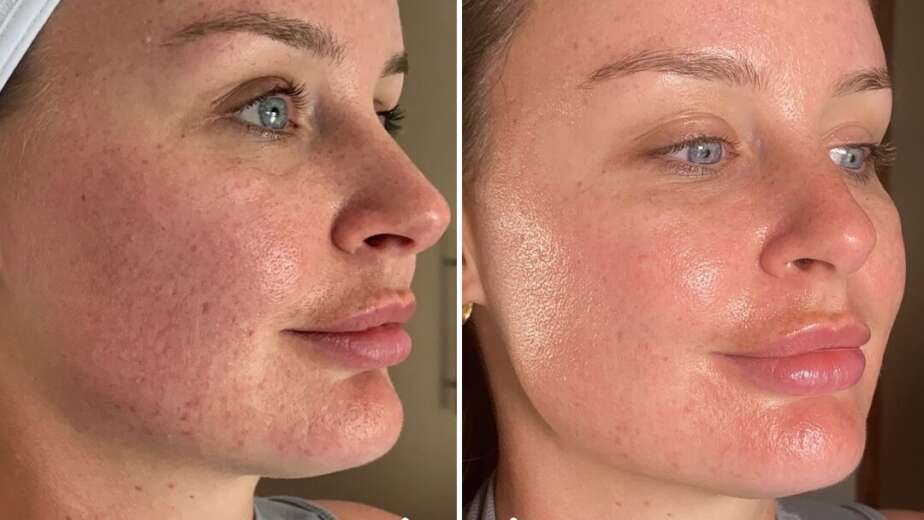
If you’ve noticed dark patches or uneven skin tone on your face, you’re not alone. Millions of people struggle with skin discoloration, but one of the biggest misconceptions is assuming that every dark spot is the same. In reality, Melasma vs Hyperpigmentation is a comparison that often confuses patients because both conditions involve excess melanin production, yet they have different causes, appearances, and treatment approaches. Understanding the difference between melasma and hyperpigmentation is essential before choosing any skincare products or professional treatments. Using the wrong products or undergoing unsuitable procedures can worsen pigmentation instead of improving it. That’s why an accurate diagnosis by experienced skin specialists is the first step toward achieving clearer, healthier-looking skin. At JMED Clinic, every pigmentation concern is evaluated through a personalized skin analysis rather than a one-size-fits-all approach. Combining Italian innovation, advanced skin regeneration techniques, and customized treatment protocols, JMED Clinic helps patients address the root cause of pigmentation while restoring brighter, more even-toned skin. In this comprehensive guide, we’ll explain everything you need to know about Melasma vs Hyperpigmentation, including their causes, symptoms, treatment options, and why professional care often delivers better long-term results than relying solely on creams or home remedies. Melasma vs Hyperpigmentation refers to two different pigmentation conditions. Melasma is usually triggered by hormones and sun exposure, creating symmetrical brown patches on the face, while hyperpigmentation is a broader term for any darkened skin caused by acne, inflammation, UV damage, injury, or aging. Proper diagnosis is essential because each condition requires a different treatment strategy.What Is Melasma?
Melasma is a chronic pigmentation disorder characterized by symmetrical brown, gray-brown, or tan patches that typically appear on sun-exposed areas of the face. It most commonly affects the:- Cheeks
- Forehead
- Upper lip
- Nose
- Chin
What Is Hyperpigmentation?
Hyperpigmentation is a broad medical term that describes any condition where certain areas of the skin become darker than the surrounding tissue due to excess melanin production. Unlike melasma, hyperpigmentation is not a single condition but rather an umbrella term that includes several types of pigmentation disorders. Common forms include:- Post-inflammatory hyperpigmentation (PIH)
- Sunspots (Solar Lentigines)
- Age spots
- Acne marks
- Freckles
- Drug-induced pigmentation
- Melasma
Melasma vs Hyperpigmentation: What’s the Difference?
Understanding Melasma vs Hyperpigmentation begins with recognizing their unique characteristics.| Feature | Melasma | Hyperpigmentation |
| Main Cause | Hormonal changes + UV exposure | Acne, inflammation, injury, aging, UV damage |
| Appearance | Large symmetrical patches | Individual spots or uneven patches |
| Location | Usually face | Face or body |
| Chronic? | Yes | Depends on the cause |
| Recurrence | High | Usually lower |
| Treatment | Long-term management | Often easier to treat |
What Causes Melasma?
Melasma develops due to multiple internal and external triggers that stimulate excessive melanin production.1. Hormonal Changes
Hormones are one of the strongest contributors to melasma. Common hormonal triggers include:- Pregnancy
- Birth control pills
- Hormone replacement therapy
- Thyroid disorders
2. Sun Exposure
Ultraviolet radiation is considered the biggest environmental trigger. Even short periods of sun exposure can worsen existing melasma and stimulate new pigmentation. This is why daily sunscreen is considered essential for long-term melasma management.3. Genetics
Many patients with melasma have a family history of pigmentation disorders. Certain skin types naturally produce more melanin and are therefore more susceptible.4. Heat and Visible Light
Recent studies suggest that not only UV rays but also heat and visible light from electronic devices may contribute to melasma flare-ups.5. Certain Cosmetics
Some skincare products may irritate sensitive skin, increasing inflammation and triggering pigment production.What Causes Hyperpigmentation?
Hyperpigmentation develops whenever the skin responds to injury or inflammation by producing excess melanin. The most common causes include:Acne
After pimples heal, they often leave behind dark marks known as post-inflammatory hyperpigmentation.Sun Damage
Years of UV exposure may produce:- Sunspots
- Age spots
- Uneven pigmentation
Skin Injury
Burns, cuts, insect bites, cosmetic procedures, or trauma may all leave temporary pigmentation.Medical Conditions
Some medications and underlying medical conditions can also contribute to hyperpigmentation.Aging
As collagen production decreases and sun exposure accumulates, pigmentation becomes increasingly noticeable.Melasma vs Dark Spots
Another common comparison is Melasma vs Dark Spots. Dark spots usually refer to isolated patches of pigmentation left behind after acne, sun exposure, or skin injury. Melasma differs because:- It forms larger patches.
- It appears symmetrically.
- It is strongly hormone-related.
- It is more difficult to treat.
Melasma vs Freckles
Many people confuse Melasma vs Freckles, but they are very different conditions.Freckles
Freckles are:- Small
- Round
- Light brown
- Genetic
- Enhanced by sun exposure
Melasma
Melasma appears later in life. It develops as:- Large irregular patches
- Brown or gray-brown pigmentation
- Symmetrical facial discoloration
Melasma vs Hyperpigmentation vs Freckles
Understanding Melasma vs Hyperpigmentation vs Freckles helps patients choose the right treatment.Freckles
- Usually inherited
- Small and scattered
- Become darker in sunlight
Hyperpigmentation
- Can occur anywhere
- Caused by injury, acne, inflammation, or UV exposure
- Often localized
Melasma
- Hormonal
- Chronic
- Symmetrical
- Mainly affects the face
Melasma vs Chloasma
Many people search for Melasma vs Chloasma, assuming they are separate conditions. In fact, they are essentially the same. Chloasma is the older medical term used specifically for pigmentation that develops during pregnancy. Today, dermatologists generally use the term melasma regardless of whether pregnancy is involved.Types of Hyperpigmentation
Because hyperpigmentation is an umbrella term, it includes several different conditions.Post-Inflammatory Hyperpigmentation (PIH)
Develops after:- Acne
- Eczema
- Psoriasis
- Cosmetic procedures
Sunspots
Also called solar lentigines. These develop from years of UV exposure and typically affect:- Face
- Hands
- Shoulders
- Chest
Age Spots
Closely related to sunspots, age spots become more common after age 40 due to cumulative sun damage.Melasma
Although melasma is its own condition, it is also considered one form of hyperpigmentation.Why Early Treatment Matters
One of the biggest mistakes people make is waiting until pigmentation becomes severe before seeking professional help. Unfortunately, both melasma and long-standing hyperpigmentation become more difficult to treat over time. Early intervention offers several important benefits:Better Treatment Outcomes
Fresh pigmentation typically responds faster to treatment than pigment that has been present for years.Prevents Pigment from Deepening
Without treatment, excess melanin can migrate into deeper layers of the skin, making discoloration more resistant to topical products.Reduces Recurrence
Professional treatment combined with proper maintenance helps minimize repeated flare-ups, particularly in melasma patients.Preserves Skin Health
Early treatment not only targets pigmentation but also supports collagen production, improves skin texture, and enhances overall skin quality.Best Melasma vs Hyperpigmentation Treatment Options
Treating pigmentation successfully starts with identifying the exact condition. While many skincare products claim to brighten dark spots, there is no universal solution that works for every type of pigmentation. Melasma vs hyperpigmentation treatment requires different strategies because melasma is usually hormone-driven and chronic, whereas many forms of hyperpigmentation result from inflammation, acne, or sun damage. At JMED Clinic, treatment goes beyond simply fading visible pigmentation. The focus is on restoring healthy skin function, reducing excess melanin production, strengthening the skin barrier, and preventing recurrence through a comprehensive skin regeneration approach.Can Melasma and Hyperpigmentation Go Away?
One of the most frequently asked questions is whether these conditions can disappear completely. The answer depends on the diagnosis.Melasma
Melasma is considered a chronic skin condition. Although it can be significantly improved and well controlled, it may return if the underlying triggers—such as sun exposure or hormonal fluctuations—are not managed. The goal is long-term pigmentation control and healthier skin rather than a temporary fix.Hyperpigmentation
Hyperpigmentation caused by acne, inflammation, or mild sun damage often fades over time. With the right professional treatments and skincare routine, many patients experience dramatic improvement and, in some cases, complete clearance. This is why a professional consultation is essential. Treating melasma as if it were simple pigmentation can lead to disappointing results and recurring patches.Melasma vs Hyperpigmentation Treatment: Professional Solutions
Professional treatments provide more predictable and longer-lasting results because they target pigmentation at different depths within the skin.1. Advanced Skin Consultation
Every successful treatment begins with a detailed skin assessment. At JMED Clinic, specialists evaluate:- The type of pigmentation
- Depth of melanin deposits
- Skin sensitivity
- Hormonal influences
- Sun damage
- Previous treatments
- Lifestyle factors
2. Medical-Grade Chemical Peels
Chemical peels help accelerate cell turnover and gradually reduce excess pigmentation. Benefits include:- Brighter skin tone
- Improved texture
- Reduction in superficial pigmentation
- Better penetration of active skincare ingredients
3. Advanced Skin Brightening Therapies
Professional brightening treatments target overactive melanocytes while supporting skin regeneration. These therapies work by:- Reducing melanin production
- Promoting healthy skin renewal
- Improving skin radiance
- Enhancing overall complexion
4. Fractional RF Microneedling
For patients with pigmentation accompanied by acne scars, enlarged pores, or early signs of aging, Fractional RF Microneedling can be incorporated into a customized treatment plan. Benefits include:- Improved skin texture
- Enhanced collagen production
- Better skin firmness
- Overall skin rejuvenation
5. LED Light Therapy
LED therapy helps calm inflammation and supports the skin’s natural healing process. It is often recommended after professional treatments because it:- Reduces redness
- Accelerates recovery
- Supports collagen production
- Improves overall skin health
6. Medical Skin Regeneration Programs
At JMED Clinic, pigmentation correction is combined with long-term skin regeneration rather than relying on isolated treatments. This comprehensive approach focuses on:- Correcting pigmentation
- Improving barrier function
- Restoring hydration
- Enhancing collagen production
- Preventing future pigmentation
Melasma and Hyperpigmentation Cream
Many patients search for the best Melasma and Hyperpigmentation Cream, hoping for a simple solution. While creams can play an important role, they work best as part of a professionally guided treatment plan. Depending on your skin assessment, specialists may recommend medical-grade formulations containing ingredients such as:- Tranexamic Acid
- Azelaic Acid
- Kojic Acid
- Niacinamide
- Vitamin C
- Retinoids (when appropriate)
Melasma and Hyperpigmentation Serum
A high-quality Melasma and Hyperpigmentation Serum complements in-clinic treatments by delivering concentrated active ingredients directly into the skin. Professional serums often focus on:- Brightening the complexion
- Supporting collagen production
- Strengthening the skin barrier
- Reducing inflammation
- Preventing oxidative damage
At-Home vs Professional Treatments
Many patients wonder whether home remedies can replace professional care. Let’s compare the two.At-Home Treatments
At-home skincare can help maintain healthy skin and prevent further pigmentation. Common options include:- Daily sunscreen
- Vitamin C serum
- Brightening creams
- Gentle exfoliation
- Prescription topical medications
- Hydrating moisturizers
- Convenient
- Affordable
- Helpful for maintenance
- Slower results
- Limited penetration
- Cannot address deeper pigmentation
- Risk of incorrect product use
Professional Treatments
Professional treatments offer significantly greater precision. Advantages include:- Personalized diagnosis
- Advanced technology
- Medical-grade products
- Faster improvement
- Long-term skin regeneration
- Lower risk of worsening pigmentation
Why JMED Clinic Takes a Different Approach
Many clinics focus only on removing visible pigmentation. JMED Clinic follows a more comprehensive philosophy centered on advanced skin regeneration. Rather than asking, “How do we remove the pigment?” The team asks:- Why did this pigmentation develop?
- What is triggering excessive melanin production?
- How can we restore healthier skin function?
- How can we reduce future recurrence?
The JMED Clinic Skin Regeneration Philosophy
JMED Clinic combines:Advanced Diagnostic Assessment
Every patient’s skin is carefully analyzed before treatment begins.Italian Innovation & Precision
Treatment protocols combine modern technology with evidence-based regenerative techniques inspired by Italian aesthetic medicine.Personalized Treatment Plans
No two pigmentation cases are identical. Each treatment plan is customized according to:- Pigmentation type
- Skin sensitivity
- Lifestyle
- Medical history
- Long-term goals
Non-Invasive & Minimally Invasive Treatments
Whenever possible, JMED Clinic prioritizes treatments that deliver visible improvement without extensive downtime. Patients benefit from effective skin rejuvenation while maintaining their daily routine.Holistic Skin Health
Healthy skin isn’t just about removing dark spots. The clinic focuses on:- Stronger skin barrier
- Better hydration
- Enhanced collagen production
- Improved elasticity
- Long-term radiance
What Makes JMED Clinic Different?
Several factors distinguish JMED Clinic from conventional aesthetic centers.Individualized Care
No generic protocols. Every patient receives a customized treatment journey.Advanced Technology
The clinic incorporates state-of-the-art aesthetic devices selected for safety, precision, and clinical effectiveness.Skin Regeneration Rather Than Temporary Brightening
Many treatments temporarily lighten pigmentation. JMED Clinic focuses on improving the skin’s natural regenerative capacity for healthier, longer-lasting results.Premium Patient Experience
From consultation through aftercare, every step is designed to deliver exceptional patient comfort and personalized attention.How Long Does Melasma and Hyperpigmentation Treatment Take?
Results vary depending on:- Type of pigmentation
- Severity
- Depth of pigment
- Skin type
- Sun exposure habits
- Consistency with home care
Hyperpigmentation
Many patients notice improvement within several weeks, although deeper pigmentation may require multiple sessions.Melasma
Melasma typically requires ongoing management. Visible improvement develops gradually, and maintenance treatments may be recommended to help control recurrence. Patience and consistency are key to achieving the best long-term results.What Results Can You Expect?
With a customized treatment plan, patients often experience:- Brighter complexion
- More even skin tone
- Reduced pigmentation
- Improved skin texture
- Increased skin luminosity
- Enhanced collagen production
- Healthier-looking skin
Common Myths vs Facts About Melasma vs Hyperpigmentation
Misinformation surrounding pigmentation disorders often leads people to choose ineffective treatments or delay professional care. Understanding the facts can help you make informed decisions and achieve better long-term results.Myth 1: Melasma and Hyperpigmentation Are the Same Condition
Fact: Although both involve excess melanin production and appear as dark patches on the skin, melasma and hyperpigmentation have different causes, triggers, and treatment approaches. Melasma is commonly influenced by hormonal changes, genetics, and sun exposure, while hyperpigmentation often develops after acne, skin injuries, inflammation, or UV damage. Correct diagnosis is essential because the wrong treatment may worsen melasma instead of improving it.Myth 2: Dark Spots Will Always Fade on Their Own
Fact: Some mild forms of post-inflammatory hyperpigmentation may gradually improve over several months. However, melasma usually does not disappear without professional management and often recurs if triggers are not controlled. Persistent pigmentation benefits greatly from early intervention.Myth 3: Stronger Products Always Work Better
Fact: Using multiple acids, retinoids, or bleaching products without professional supervision can damage the skin barrier, increase inflammation, and actually make pigmentation worse. A personalized treatment plan is safer and more effective than experimenting with harsh products.Myth 4: Sunscreen Is Only Needed During Summer
Fact: UV rays are present throughout the year, and visible light can also stimulate melasma. Daily broad-spectrum SPF is one of the most important parts of preventing pigmentation from worsening. Skipping sunscreen can undo months of treatment progress.Myth 5: Once Pigmentation Clears, It Never Comes Back
Fact: Melasma is a chronic condition and requires long-term maintenance. Even hyperpigmentation can return if the skin experiences repeated inflammation or excessive sun exposure. Ongoing skincare and maintenance treatments help preserve results.Expert Tips to Prevent Melasma and Hyperpigmentation
Protecting your skin is just as important as treating existing pigmentation.Wear Sunscreen Every Day
Use a broad-spectrum sunscreen with SPF 50 or higher, even on cloudy days or indoors near windows.Avoid Excessive Sun Exposure
Seek shade during peak sunlight hours and wear protective hats and sunglasses whenever possible.Never Pick Acne or Skin Lesions
Picking pimples increases inflammation and significantly raises the risk of post-inflammatory hyperpigmentation.Maintain a Consistent Skincare Routine
Gentle cleansing, hydration, antioxidant protection, and regular use of professional skincare products help maintain an even complexion.Schedule Professional Skin Assessments
Pigmentation changes over time. Regular consultations allow your practitioner to adjust treatments according to your skin’s current needs.Why Choose JMED Clinic?
Choosing the right clinic can make the difference between temporary improvement and long-lasting skin transformation. At JMED Clinic, pigmentation treatment is based on science, skin regeneration, and personalized care rather than quick cosmetic fixes. Unlike many aesthetic clinics that simply target surface pigmentation, JMED Clinic focuses on identifying and treating the root causes while supporting healthier skin function.Advanced Skin Regeneration Approach
JMED Clinic believes beautiful skin begins with healthy skin. Every treatment plan is designed to:- Restore balanced melanin production
- Strengthen the skin barrier
- Improve collagen synthesis
- Encourage natural cell renewal
- Support long-term skin health
Personalized Treatment Plans
Every person’s pigmentation is unique. No two patients receive identical treatment protocols. During consultation, specialists carefully assess:- Pigmentation depth
- Skin sensitivity
- Lifestyle
- Medical history
- Hormonal influences
- Previous treatments
- Long-term skincare goals
Italian Innovation & Precision
JMED Clinic combines advanced regenerative technologies with the precision and elegance associated with modern Italian aesthetic medicine. The clinic continuously adopts innovative techniques designed to maximize patient safety while delivering exceptional clinical outcomes.Non-Invasive & Minimally Invasive Solutions
Many patients want visible improvement without lengthy recovery periods. JMED Clinic specializes in treatments that deliver impressive skin rejuvenation while minimizing discomfort and downtime. Patients can often return to normal daily activities much sooner compared to more aggressive procedures.Long-Term Skin Health
Rather than simply removing pigmentation temporarily, JMED Clinic works toward improving the overall quality and resilience of the skin. Treatment plans aim to provide:- Even skin tone
- Improved texture
- Increased hydration
- Enhanced elasticity
- Stronger skin barrier
- Long-lasting radiance
Premium Patient Experience
From your first consultation through every follow-up appointment, the clinic prioritizes personalized care, education, comfort, and ongoing support. Every patient receives guidance on skincare, sun protection, maintenance treatments, and lifestyle adjustments to help maintain results.About Grand Master Jurgita Jasiunaite
One of the defining strengths of JMED Clinic is the expertise and vision of Grand Master Jurgita Jasiunaite, a highly respected leader in advanced skin regeneration and aesthetic innovation. Recognized internationally for her dedication to skin health, Grand Master Jurgita has transformed the way many practitioners approach complex skin concerns, including melasma, hyperpigmentation, scars, and skin rejuvenation. Her philosophy extends beyond cosmetic improvement. She believes that true beauty comes from restoring the skin’s natural ability to heal, regenerate, and function optimally. This regenerative mindset has shaped the treatment philosophy at JMED Clinic.Creator of the JMED Stria Repair Method™
Grand Master Jurgita is also the creator of the renowned JMED Stria Repair Method™, an innovative skin regeneration protocol developed to improve the appearance of stretch marks through advanced regenerative techniques. While the JMED Stria Repair Method™ is specifically designed for stretch mark treatment, the same principles of controlled skin regeneration, collagen stimulation, tissue repair, and individualized treatment planning influence many of the clinic’s pigmentation and skin rejuvenation procedures. Her commitment to continuous innovation has positioned JMED Clinic as a destination for patients seeking sophisticated, evidence-informed aesthetic treatments.International Recognition
Grand Master Jurgita is widely respected for:- Advanced skin regeneration expertise
- Innovative treatment protocols
- International education and training
- Commitment to patient safety
- Personalized treatment philosophy
- Excellence in aesthetic medicine
Conclusion
Understanding the difference between Melasma vs Hyperpigmentation is the first step toward choosing the right treatment. Although both conditions involve excess pigmentation, they differ in their causes, triggers, prognosis, and management. Accurate diagnosis allows for more effective treatment and helps prevent unnecessary frustration caused by using the wrong products. Professional assessment is particularly important because pigmentation can appear similar while requiring completely different treatment strategies. At JMED Clinic, every patient benefits from a personalized approach built around advanced skin regeneration, Italian innovation, and minimally invasive technologies. Rather than simply fading dark spots, the clinic focuses on restoring healthier skin from within, helping patients achieve brighter, smoother, and more even-toned skin with long-lasting results. Whether you’re struggling with melasma, post-inflammatory hyperpigmentation, or persistent dark spots that refuse to fade, expert guidance can make a significant difference. Book your consultation at JMED Clinic today and experience advanced skin regeneration tailored to your unique skin needs. Discover why patients trust JMED Clinic for premium pigmentation treatments and long-term skin health.What is the main difference between melasma vs hyperpigmentation?
−Melasma is usually triggered by hormones and sun exposure, while hyperpigmentation commonly develops after acne, inflammation, injuries, or UV damage. Although both create dark patches, they require different treatment strategies.
Can melasma disappear permanently?
+Melasma is generally considered a chronic condition. It can be significantly improved and controlled with professional treatment, but maintenance is often required to reduce recurrence.
Can hyperpigmentation fade naturally?
+Mild hyperpigmentation may gradually fade over time. However, deeper or long-standing pigmentation often requires professional treatments for faster and more complete improvement.
What is the best melasma vs hyperpigmentation treatment?
+The best treatment depends on the diagnosis. A professional consultation helps determine whether topical therapies, chemical peels, regenerative treatments, or combination approaches are most appropriate.
Is sunscreen necessary during pigmentation treatment?
+Yes. Daily broad-spectrum sunscreen is one of the most important steps for preventing pigmentation from worsening and maintaining treatment results.
Are melasma vs hyperpigmentation pictures useful for diagnosis?
+Pictures can provide general guidance, but they cannot replace a professional skin assessment because many pigmentation disorders have a similar appearance.
What is the best melasma and hyperpigmentation cream?
+Medical-grade creams containing ingredients such as tranexamic acid, azelaic acid, niacinamide, kojic acid, or retinoids are commonly recommended based on individual skin needs.
Does a melasma and hyperpigmentation serum really help?
+Yes. High-quality serums containing brightening and antioxidant ingredients can improve results when combined with professional treatments and a consistent skincare routine.
How long does pigmentation treatment take?
+Many patients notice improvement within several weeks, while stubborn pigmentation may require several months of customized treatment and maintenance.
Is melasma worse than dark spots?
+Melasma is generally more challenging because it is often chronic and hormonally influenced. Dark spots caused by acne or inflammation usually respond more easily to treatment.
What is the difference between melasma vs freckles?
+Freckles are small, genetically influenced pigment spots that darken with sun exposure. Melasma appears as larger, symmetrical patches and is usually associated with hormonal triggers.
What is the difference between melasma vs hyperpigmentation vs freckles?
+Melasma forms larger hormone-related patches, hyperpigmentation develops after inflammation or injury, and freckles are inherited pigment spots that become more noticeable with UV exposure.
What is melasma vs chloasma?
+These terms are often used interchangeably. Chloasma traditionally refers to melasma that develops during pregnancy, while melasma is the broader medical term.
Can pigmentation return after treatment?
+Yes. Without proper sun protection and maintenance skincare, both melasma and certain types of hyperpigmentation may recur over time.
Why should I choose JMED Clinic for pigmentation treatment?
+JMED Clinic offers personalized treatment plans, advanced skin regeneration techniques, Italian innovation, minimally invasive procedures, and expert-led care focused on achieving long-lasting, natural-looking results rather than temporary cosmetic improvement.