Stretch marks are commonly associated with weight gain or pregnancy, but that’s only part of the story. If you’ve ever wondered “why do I have stretch marks even though I’m skinny?” — you’re not alone. Many people with a lean body or stable weight notice these lines appearing on areas like the hips, thighs, bum, or back.
The truth is simple: stretch marks are not just about weight. They are a natural response of your skin to internal changes such as growth, hormones, and elasticity.
What Are Stretch Marks?
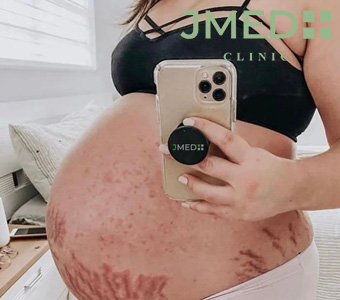
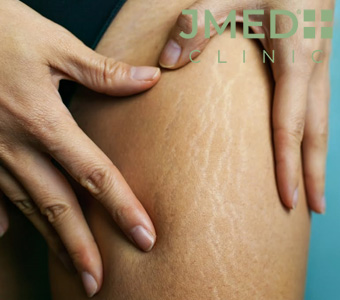
Stretch marks, also known as striae, are visible lines that appear when the skin stretches faster than it can adapt. This causes tiny tears in the deeper layers of the skin. They can appear as:- Red, purple, or pink lines (early stage)
- White or silver marks (mature stage)
Can Skinny People Get Stretch Marks?
Yes — skinny people can absolutely have stretch marks. This is one of the most searched concerns:- Do skinny people get stretch marks?
- Can skinny people have stretch marks?
- Why do skinny people have stretch marks?
- Slim
- Not gaining weight
- Maintaining the same body size
1. Puberty & Growth Spurts
One of the most common causes is rapid growth during teenage years.- Height increases quickly
- Skin stretches suddenly
- Elastic fibers weaken
- Why do I have stretch marks on my thighs when I’m skinny?
- Why do I have stretch marks on my back when I’m skinny?
2. Hormonal Changes
Hormones play a major role in skin elasticity.- Cortisol weakens skin fibers
- Hormonal imbalance reduces skin strength
- Skin becomes more prone to tearing
- Why do I have stretch marks even though I’m skinny?
- Why am I getting stretch marks if I’m not gaining weight?
3. Muscle Growth & Exercise
If you work out or do weight training, your muscles may grow faster than your skin can adapt. Common areas:- Arms
- Shoulders
- Thighs
- Bum
- Why do I have stretch marks on my bum when I’m skinny?
- Why do I have stretch marks on my hips and I’m skinny?
4. Genetics (Family History)
If your parents have stretch marks, chances are higher you will too.- Some skin types are naturally less elastic
- Others repair faster
5. Skin Type & Elasticity
Not all skin behaves the same.- Some people have strong, flexible skin
- Others have thin, delicate skin
- Stretch marks even without weight gain
- Stretch marks during small body changes
6. Poor Nutrition
Skin needs proper nutrients to stay strong. Deficiency in:- Vitamin A
- Vitamin C
- Vitamin E
- Zinc
- Easy tearing
- Slower healing
- More visible stretch marks
7. Stress & Hormonal Imbalance
High stress increases cortisol levels, which affects skin elasticity.- Weakens collagen
- Slows skin repair
- Increases risk of stretch marks
8. Medications (Especially Steroids)
Certain medications can thin the skin:- Steroid creams
- Asthma medications
- Hormonal drugs
- Reduce elasticity
- Make skin fragile
9. Dehydration & Skin Health
Dry skin is more prone to tearing. If your skin lacks hydration:- It becomes less flexible
- More likely to stretch unevenly
Common Areas Where Stretch Marks Appear (Even If You’re Skinny)
| Body Area | Why It Happens |
| Thighs | Growth & fat distribution |
| Hips | Hormonal changes |
| Bum | Muscle gain & fat shifts |
| Back | Height growth |
| Arms | Muscle development |
Are Stretch Marks Normal?
Yes — stretch marks are completely normal.- They are not harmful
- They don’t indicate disease
- They happen to most people
- Both men and women get stretch marks
- Thin, fit, and athletic people also have them
Are Stretch Marks Permanent?
Stretch marks don’t completely disappear, but they fade over time.- Early marks (red/purple) → easier to treat
- Older marks (white/silver) → less visible but harder to remove
How to Get Rid of Stretch Marks (What Actually Works)
If you’re searching:- How to get rid of stretch marks?
- Can you remove stretch marks permanently?
What Helps:
- Hydration (internal + external)
- Nutrient-rich diet
- Collagen-boosting skincare
- Professional treatments
What Doesn’t Fully Work:
- Home remedies alone
- Oils without consistency
- Quick fixes
Advanced Stretch Marks Treatment at JMED Clinic
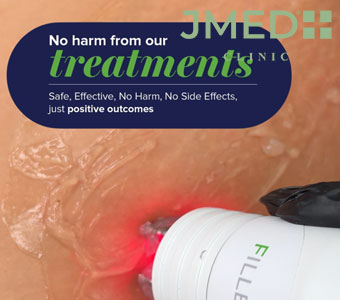
While stretch marks are natural, many individuals look for effective and long-term solutions to improve their appearance. At JMED Clinic, stretch marks are treated using a specialized and results-driven approach known as the JMED Stria Repair method.What is JMED Stria Repair Method?
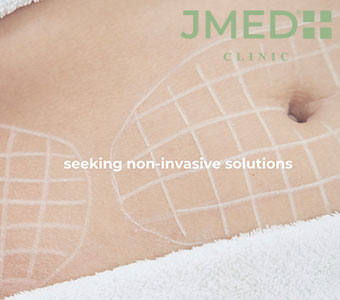
JMED Stria Repair is a minimally invasive, advanced treatment designed to repair and regenerate the skin from within. Instead of just treating the surface, it focuses on restoring skin structure and elasticity. The treatment is performed in two key phases:- Stria Repair Phase: A precision-based technique stimulates the skin and activates natural collagen and elastin production.
- Stria Regeneration Phase: After healing, advanced technology combining radiofrequency and light therapy further enhances skin renewal, improving texture and tone.
Why It Works
This method targets the root causes of stretch marks, not just the appearance.- Boosts collagen and elastin production
- Improves skin thickness and elasticity
- Supports deep skin regeneration
- Works on both red (new) and white (old) stretch marks
Key Benefits
- Visible reduction in stretch marks
- Smoother, firmer skin texture
- Improved skin tone and elasticity
- Customized treatment approach
- Minimally invasive with progressive results
- Skinny individuals with stretch marks
- Stretch marks on thighs, hips, bum, or back
- Marks caused by growth, hormones, or fitness
- Anyone looking for a professional solution
When Should You Be Concerned?
Stretch marks are usually harmless, but consult a professional if:- They appear suddenly in large numbers
- No clear reason (no growth, no exercise)
- Accompanied by other symptoms
Key Takeaways
- Weight is NOT the main cause of stretch marks
- Skinny people can and do get stretch marks
- Growth, hormones, and genetics are major factors
- Stretch marks are natural and common
- They can be improved with the right care and treatments
Final Thoughts
If you’ve ever thought “I’m skinny but I have stretch marks — why?”, now you know the answer. Stretch marks are:- Natural
- Common
- Not a sign of poor health
FREQUENTLY ASKED QUESTIONS
01
Why do I have stretch marks even though I’m skinny?
−Stretch marks occur due to skin stretching, hormonal changes, or genetics—not just weight gain. Even slim individuals can develop them.
02
Do skinny people get stretch marks?
+Yes, skinny people often get stretch marks due to growth spurts, muscle gain, or hormonal changes.
03
Why do I have stretch marks on my thighs when I’m skinny?
+This is usually caused by growth, hormonal shifts, or changes in body composition, even without weight gain.
04
Are stretch marks permanent?
+They don’t fully disappear but fade over time and can be improved with treatments.
05
Can you be skinny and still have stretch marks?
+Absolutely. Stretch marks are related to skin elasticity, not body fat.
06
How do I prevent stretch marks?
+Stay hydrated
Eat nutrient-rich foods
Maintain skin moisture
Avoid rapid body changes
07
How to remove stretch marks permanently?
+Complete removal is difficult, but professional treatments can significantly reduce their appearance.