Best Treatments for Oily and Acne-Prone Skin: Expert Guide to Clearer, Healthier Skin
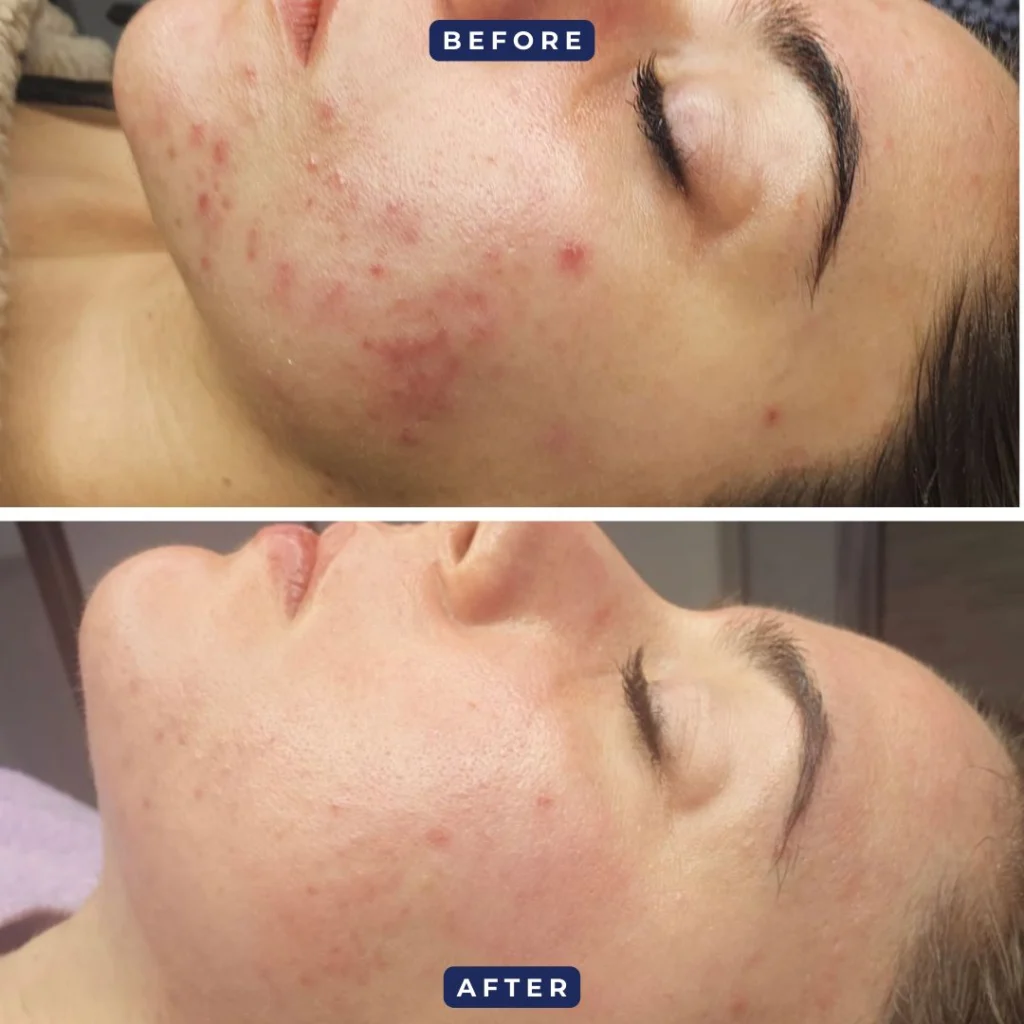
Oily and Acne-Prone Skin can be difficult to manage, especially when excess sebum, clogged pores, inflammation, and recurring breakouts appear together. A good Skin Care Routine for Oily Skin can help, but when pimples continue to return, professional treatment may be needed to address the underlying skin concerns.
At JMED Clinic, the approach to oily and acne-prone skin is personalised rather than based on a one-size-fits-all facial. Depending on the condition of the skin, JMED recommends advanced protocols such as Acne Defense, Detoxifying Premium Skin, Tailored Made Facial, and selected treatments paired with Hydrafacial technology.
The objective is not simply to make the skin look temporarily less oily. A professional approach focuses on balancing oil production, deeply cleansing congested pores, supporting the skin barrier, calming inflammation, improving texture, and creating healthier-looking skin over time.
What Is the Best Treatment for Oily and Acne-Prone Skin?
The best treatment depends on your skin condition, acne severity, sensitivity, and level of congestion. For oily and acne-prone skin, JMED Clinic recommends personalised options such as Acne Defense, Detoxifying Premium Skin, Tailored Made Facial, and selected Hydrafacial combinations to cleanse pores, manage excess oil, calm breakouts, and improve overall skin quality.
What Is Oily and Acne-Prone Skin?
Oily and Acne-Prone Skin is characterised by increased sebum production combined with a tendency to develop clogged pores, blackheads, whiteheads, pimples, or inflammatory breakouts.
Sebum is a natural oil produced by the sebaceous glands. It helps protect the skin and prevent excessive moisture loss. However, when too much sebum is produced, it can mix with dead skin cells and contribute to clogged pores.
When pores become congested, different types of blemishes may develop.
These can include:
- Blackheads
- Whiteheads
- Small bumps
- Inflamed pimples
- Pustules
- Enlarged-looking pores
- Excessive facial shine
- Uneven skin texture
- Post-acne marks
Oily skin does not necessarily mean unhealthy skin. The challenge is finding the right balance between controlling excess oil and maintaining adequate hydration.
Over-cleansing or using overly aggressive products can sometimes make the skin feel tight, irritated, or uncomfortable. That is why a professional assessment is important when breakouts are persistent.
Why Does Oily Skin Develop Pimples?
Several factors can contribute to oily skin and recurring breakouts.
Excess Sebum Production
Some people naturally produce more facial oil than others. Genetics, hormones, age, and environmental factors can influence sebum production.
Excess oil can make the skin appear shiny and can contribute to pore congestion.
Dead Skin Cell Accumulation
Skin naturally sheds dead cells. When this process becomes less efficient, dead cells can accumulate around pores and combine with sebum.
This can contribute to blackheads, whiteheads, and breakouts.
Hormonal Changes
Hormonal fluctuations can influence oil production. This is why some people experience increased acne during puberty, menstrual cycles, pregnancy, or other periods of hormonal change.
Stress and Lifestyle
Stress does not cause every acne breakout, but it can influence the skin and may contribute to changes in oil production or skincare habits.
Sleep, diet, hydration, exercise, and stress management can all form part of a broader skin-health strategy.
Incorrect Skincare
Using heavy, unsuitable, or excessively stripping products may worsen the appearance of oily and congested skin.
The goal is not to remove every trace of oil. Instead, the objective is to maintain a healthier balance.
What Are the Different Types of Oily and Acne-Prone Skin?
Not every oily complexion has the same needs.
Oily but Mildly Congested Skin
The skin may appear shiny, particularly around the forehead, nose, and chin, with occasional blackheads or small pimples.
This type of skin may benefit from professional deep cleansing and a consistent home-care routine.
Oily and Congested Skin
This skin type may have enlarged-looking pores, blackheads, whiteheads, uneven texture, and frequent breakouts.
A treatment focused on deep cleansing and pore congestion may be more appropriate.
Oily and Inflamed Skin
When pimples become red, swollen, or painful, the priority shifts towards calming the skin and supporting its recovery.
Aggressive exfoliation may not be appropriate for every person with inflamed acne.
Oily Skin With Post-Acne Marks
Some people experience pigmentation or visible marks after pimples have healed.
In these cases, treatment may need to address both active congestion and uneven skin tone.
Why Is Early Treatment Important?
Persistent acne can affect more than the immediate appearance of the skin.
Repeated inflammation and picking can increase the risk of lingering marks and uneven texture. The longer breakouts continue without an appropriate management strategy, the more difficult it may become to maintain consistently clear-looking skin.
Early professional assessment can help identify whether the primary concern is:
- Excess oil
- Congested pores
- Active breakouts
- Sensitivity
- Dehydration
- Uneven pigmentation
- Post-acne marks
- Combination skin concerns
This allows treatment to be selected according to the actual condition of the skin rather than simply choosing a popular facial.
What Is the Best Acne Treatment for Oily Skin?
There is no single treatment that is automatically the Best Acne Treatment for Oily Skin for every individual.
A treatment that works beautifully for one person may be unsuitable for another, particularly when skin sensitivity, inflammation, dehydration, or active acne is present.
At JMED Clinic, the recommended approach for oily and acne-prone skin includes four key treatment pathways:
1. Acne Defense
Acne Defense is designed for skin that needs targeted support against recurring blemishes and congestion.
The treatment approach focuses on improving the condition of acne-prone skin while supporting a cleaner, more balanced appearance.
It can be particularly relevant for clients experiencing recurring pimples, clogged pores, excessive oiliness, and uneven skin texture.
Rather than simply treating an individual pimple, professional acne care considers the overall condition of the skin.
2. Detoxifying Premium Skin
When the skin feels congested, dull, oily, or overloaded, a detoxifying facial can provide a deeper cleansing-focused approach.
Detoxifying Premium Skin is designed to refresh the complexion and help remove accumulated impurities from the skin surface.
For clients with oily skin, this type of treatment can be particularly valuable when combined with an appropriate long-term skincare strategy.
The objective is to leave the skin feeling cleaner, fresher, smoother, and more balanced without unnecessarily compromising the skin barrier.
3. Tailored Made Facial
A personalised facial is often more effective than selecting a treatment simply because it is marketed for oily skin.
The Tailored Made Facial is customised according to the client’s current skin condition.
For example, someone may have oily skin but also experience dehydration and sensitivity. Another client may have significant congestion but comparatively resilient skin.
These two clients should not necessarily receive the same protocol.
A tailored facial allows the treatment approach to be adjusted according to factors such as:
- Oil production
- Pore congestion
- Skin sensitivity
- Hydration levels
- Texture
- Breakouts
- Pigmentation
- Overall skin condition
4. Hydrafacial Pairing
For selected clients, JMED Clinic may recommend pairing an appropriate facial protocol with Hydrafacial technology.
Hydrafacial-style treatments combine cleansing, exfoliation, extraction, and infusion steps to refresh the skin.
When appropriately selected, this approach can be useful for clients who want to improve the appearance of congestion and dullness while maintaining a refreshed, hydrated complexion.
However, not every acne-prone client requires the same level or type of exfoliation or extraction. Professional assessment remains important.
Which Is the Best Facial for Oily and Pimple Skin?
People often search for the best facial for oily skin with pimples or the best facial for oily and pimple skin because they want a treatment that can immediately make their complexion look cleaner.
The right answer depends on the skin.
A facial for someone with mild congestion can be very different from a protocol for someone with active inflammatory acne.
At JMED Clinic, the treatment is selected after evaluating the skin rather than automatically choosing the strongest available facial.
For some clients, Acne Defense may be the more appropriate starting point.
For others, Detoxifying Premium Skin may be recommended.
A Tailored Made Facial may be preferred when multiple concerns need to be addressed simultaneously.
Hydrafacial may also be incorporated when appropriate.
What About Pimple Treatment for Oily Skin?
A professional pimple treatment for oily skin should consider why the pimples are appearing instead of focusing only on the visible blemish.
Oil control, pore congestion, skin barrier health, inflammation, and lifestyle factors can all contribute to the overall picture.
This is why simply applying a strong product to every pimple may not provide a long-term solution.
Professional treatment can help establish a more structured approach to managing recurring congestion.
If acne is severe, painful, cystic, rapidly worsening, or leaving significant scarring, a dermatologist or qualified medical professional should also be consulted.
Can a Facial Replace Acne Treatment?
Not always.
A facial can help improve cleansing, hydration, congestion, texture, and overall appearance, but persistent acne may require a broader treatment strategy.
Think of professional facials as one part of a comprehensive skincare plan.
At JMED Clinic, facial treatments can be selected and combined according to the condition of the skin.
This allows the focus to move beyond temporary glow and towards long-term skin quality.
What Is the Best Skin Care Routine for Oily Skin?
A consistent Skin Care Routine for Oily Skin is essential for maintaining professional treatment results.
A basic routine can include:
Morning
- Gentle cleanser
- Suitable hydrating product
- Lightweight moisturiser
- Broad-spectrum sunscreen
Evening
- Thorough cleansing
- Targeted products recommended for your skin
- Lightweight moisturiser
- Professional treatment products where appropriate
The most important principle is consistency.
Oily skin still requires hydration. Completely stripping the skin can leave it uncomfortable and may encourage people to use increasingly aggressive products.
Your skincare routine should support the skin rather than fight against it.
What Is the Best Pimple Clear Cream for Oily Skin?
There is no universal best pimple clear cream for oily skin because the appropriate active ingredients depend on the type and severity of acne.
Similarly, searching for the best pimples cream for oily skin without considering skin sensitivity can lead to trial-and-error skincare.
Some acne products can be drying or irritating when used incorrectly.
A professional can help determine which products are appropriate and how frequently they should be used.
If acne is persistent, topical skincare alone may not be enough.
What About Oily Skin and Pimples Cream?
An oily skin and pimples cream should ideally be selected according to your skin’s specific needs.
The goal should be to manage blemishes while maintaining the skin barrier.
Instead of layering multiple strong products, a carefully selected routine is usually easier to maintain and monitor.
At JMED Clinic, professional treatment recommendations can be complemented by personalised home-care guidance.
Can Oily Skin Be Dehydrated?
Yes.
This is one of the most common misunderstandings about oily skin.
Oily skin describes the amount of sebum produced. Dehydration describes insufficient water in the skin.
A person can therefore have oily but dehydrated skin.
This distinction is important because using harsh products to remove oil can make the skin feel increasingly dry or sensitive.
Professional assessment can help distinguish between excess oil, dehydration, sensitivity, and genuine congestion.
At-Home vs Professional Treatments for Oily Skin
What Can You Do at Home?
At-home care is essential for maintaining results.
You can focus on:
- Gentle cleansing
- Appropriate hydration
- Daily sunscreen
- Avoiding excessive scrubbing
- Avoiding frequent picking
- Using products suited to oily skin
- Maintaining a consistent routine
However, home skincare has limitations.
It may not provide the same level of professional cleansing, extraction, assessment, or treatment customisation available in a clinic.
When Should You Consider Professional Treatment?
Professional treatment may be worth considering when:
- Pimples repeatedly return
- Pores appear persistently congested
- Skin becomes excessively oily
- Home skincare is not producing the desired improvement
- You have multiple skin concerns at the same time
- You want a personalised skincare strategy
The ideal approach is often a combination of professional treatment and disciplined home care.
How Long Does It Take to Improve Oily and Acne-Prone Skin?
Results vary depending on the condition of your skin and the treatment selected.
Some clients may notice an immediate improvement in cleanliness, hydration, smoothness, or radiance following a professional facial.
However, managing recurring acne and oil production is a longer-term process.
Skin renewal takes time, and consistency is essential.
Your specialist may recommend a treatment schedule based on your skin’s response rather than expecting one treatment to solve every concern.
Can Oily and Acne-Prone Skin Improve Permanently?
Oily skin is partly influenced by genetics and hormones, so it may not be possible to permanently eliminate oil production.
However, the appearance and management of oily skin can often be improved significantly.
A professional strategy can help control congestion, support the skin barrier, improve texture, and reduce the frequency or severity of visible breakouts.
The goal should be healthier, more balanced skin rather than completely oil-free skin.
Common Myths About Oily and Acne-Prone Skin
Myth 1: Oily Skin Does Not Need Moisturiser
Fact: Oily skin can still be dehydrated. Appropriate hydration is an important part of maintaining the skin barrier.
Myth 2: Scrubbing Harder Removes More Acne
Fact: Aggressive physical scrubbing can irritate acne-prone skin. Professional cleansing should be appropriate to the condition of the skin.
Myth 3: You Should Never Have a Facial If You Have Pimples
Fact: The right professional facial may be beneficial, but the treatment must be selected according to the type and severity of acne.
Myth 4: One Facial Can Permanently Clear Acne
Fact: Professional facials can improve the appearance and condition of the skin, but recurring acne generally requires ongoing management.
Myth 5: The More Products You Use, the Better
Fact: Using too many active products can irritate the skin. A simpler, targeted routine is often easier to maintain.
Expert Tips for Managing Oily and Acne-Prone Skin
Do Not Pick Your Pimples
Picking can increase inflammation and may contribute to post-acne marks and uneven texture.
Use Sunscreen Every Day
Sun exposure can contribute to pigmentation and can make post-acne marks appear more noticeable.
Do Not Over-Cleanse
The objective is clean, balanced skin—not completely oil-free skin.
Change Your Routine Gradually
Introducing multiple new products at once makes it difficult to understand what your skin is reacting to.
Treat the Skin You Have Today
Your skincare needs can change with seasons, hormones, stress, age, and lifestyle.
A routine that worked six months ago may not necessarily be ideal today.
Why Choose JMED Clinic for Oily and Acne-Prone Skin?
JMED Clinic takes a personalised approach to aesthetic skincare, combining advanced skin regeneration principles with non-invasive and minimally invasive treatments.
For clients with Oily & acne-prone skin, the clinic focuses on identifying the specific condition of the skin before recommending a protocol.
The recommended treatment pathways include Acne Defense, Detoxifying Premium Skin, Tailored Made Facial, and selected Hydrafacial combinations.
This approach allows the treatment to be adjusted according to the client’s individual needs.
Personalised Treatment Rather Than One-Size-Fits-All Care
Two clients can have oily skin but completely different concerns.
One may need deep cleansing.
Another may need acne-focused care.
A third may have oily, dehydrated, sensitive skin.
JMED Clinic’s tailored approach takes these differences into account.
Advanced Skin Regeneration Philosophy
The JMED philosophy focuses on improving the quality and condition of the skin rather than simply providing temporary cosmetic correction.
Treatments are selected to support healthier-looking skin, improved texture, balanced appearance, and long-term maintenance.
Italian Innovation and Precision
JMED Clinic brings together advanced aesthetic technology, professional cosmeceuticals, and an Italian-inspired approach to skin science.
The objective is precision: using the right treatment, at the right intensity, for the right skin condition.
Premium Treatment Experience
From consultation to treatment and aftercare, the focus remains on comfort, discretion, personalisation, and attention to detail.
If your skin feels difficult to manage despite following a routine, professional assessment can help you understand what it actually needs.
Book your consultation at JMED Clinic and discover a personalised approach to clearer, more balanced-looking skin.
What About the JMED Stria Repair Method™?
The JMED Stria Repair Method™ is JMED Clinic’s specialised protocol developed specifically for stretch-mark-affected skin.
It is not a treatment for oily or acne-prone facial skin and therefore should not be presented as an acne treatment.
Its inclusion within the JMED treatment portfolio demonstrates the clinic’s broader philosophy of personalised skin regeneration, where different skin concerns are addressed with different specialised protocols.
For acne-prone facial skin, the relevant JMED options are Acne Defense, Detoxifying Premium Skin, Tailored Made Facial, and selected Hydrafacial combinations.
Meet Grand Master Jurgita Jasiunaite
Grand Master Jurgita Jasiunaite is an Italian Skin Regeneration Expert, innovator, skincare formulator, and the creator of the JMED Stria Repair Method™.
Her approach to aesthetic skincare is centred on precision, regeneration, and personalised treatment protocols.
Through JMED Clinic and Jurgita Cosmeceuticals™, her philosophy brings together advanced professional treatments and carefully formulated skincare designed to support long-term skin quality.
Her work extends beyond individual treatments, with a focus on education, innovation, practitioner training, and the development of advanced aesthetic methodologies.
This philosophy is reflected throughout JMED Clinic: the aim is not simply to create an immediate visual effect, but to understand the skin and develop a treatment pathway around its individual needs.
What Should You Expect From Your JMED Consultation?
Your consultation is the starting point for personalised treatment.
Your specialist may assess:
- Oil production
- Pore congestion
- Active breakouts
- Skin sensitivity
- Hydration
- Texture
- Pigmentation
- Existing skincare routine
- Previous treatments
- Current skin goals
Based on this assessment, your treatment may involve Acne Defense, Detoxifying Premium Skin, a Tailored Made Facial, Hydrafacial pairing, or a combination approach.
The objective is to avoid unnecessary treatments and focus on what your skin actually requires.
Experience a More Personalised Approach to Acne-Prone Skin
Managing oily and acne-prone skin does not have to mean constantly changing products or trying every trending facial.
A professional, personalised strategy can make your skincare routine more focused and effective.
At JMED Clinic, the emphasis is on understanding the skin first and then selecting an appropriate treatment pathway.
Whether your priority is controlling congestion, improving oiliness, refreshing dull skin, reducing the appearance of pores, or creating a healthier-looking complexion, your treatment can be tailored accordingly.
Book your consultation at JMED Clinic and experience advanced skin care designed around your individual needs.
What is the best treatment for oily and acne-prone skin?
−The best treatment depends on your specific skin condition. JMED Clinic may recommend Acne Defense, Detoxifying Premium Skin, a Tailored Made Facial, or selected Hydrafacial combinations. The treatment is chosen according to oil production, congestion, breakouts, sensitivity, hydration, and overall skin quality.
What is the best facial for oily skin with pimples?
+There is no single facial that suits everyone. JMED Clinic may recommend Acne Defense, Detoxifying Premium Skin, or a Tailored Made Facial depending on the skin's condition. Hydrafacial may also be incorporated when appropriate to support cleansing, hydration, and overall skin appearance.
Can Hydrafacial help oily skin?
+Hydrafacial can help refresh the appearance of oily and congested skin through cleansing, exfoliation, extraction, and hydration. However, treatment should be selected according to individual skin sensitivity and acne activity. At JMED Clinic, Hydrafacial may be paired with another suitable facial protocol when clinically appropriate.
What is the best acne treatment for oily skin?
+The best acne treatment depends on the type and severity of breakouts. JMED Clinic recommends Acne Defense for suitable clients who need targeted acne-focused care. A professional consultation helps determine whether Acne Defense, a tailored facial, detoxifying treatment, or another approach is most appropriate.
Can oily skin be dehydrated?
+Yes. Oily skin can still lack sufficient water. This is known as dehydration and can occur alongside excess sebum production. Using appropriate hydration while managing excess oil is therefore important. A professional assessment can help distinguish between oily, dehydrated, sensitive, and congested skin.
Is a facial good for oily and acne-prone skin?
+The right facial can help improve cleansing, congestion, hydration, texture, and overall skin appearance. However, not every facial is appropriate for active acne. JMED Clinic selects treatments based on individual skin condition and may recommend Acne Defense, Detoxifying Premium Skin, or a Tailored Made Facial.
What is the best pimple treatment for oily skin?
+The most suitable pimple treatment depends on the cause and severity of the breakouts. Professional treatment should focus on the overall condition of the skin rather than individual pimples alone. JMED Clinic may recommend Acne Defense as part of a personalised approach to acne-prone skin.
What is the best skincare routine for oily skin?
+A basic routine should include gentle cleansing, suitable hydration, moisturisation, and daily sunscreen. Targeted products can be added according to individual needs. Avoid excessive cleansing and aggressive scrubbing. Professional guidance can help create a routine that manages oil while supporting the skin barrier.
Can oily skin become less oily?
+Oil production can sometimes be managed, but genetics and hormones influence how much sebum your skin naturally produces. A consistent skincare routine and appropriate professional treatments can help improve the appearance of excess oil and congestion without attempting to completely strip the skin.
How often should I get a facial for oily skin?
+The ideal frequency depends on your skin condition and treatment type. Some clients may benefit from periodic professional treatments, while others may require a more structured treatment plan. JMED Clinic can recommend a schedule based on your skin's response and individual goals.
Can acne-prone skin use moisturiser?
+Yes. Acne-prone skin can still require hydration and moisturisation. Choosing a suitable lightweight product can help support the skin barrier without unnecessarily adding heaviness. If your skin is particularly oily, congested, or sensitive, professional skincare guidance can help identify more appropriate products.
Does oily skin cause acne?
+Excess oil can contribute to acne because sebum may combine with dead skin cells and contribute to clogged pores. However, acne is influenced by several factors, including hormones, inflammation, genetics, and skincare. Managing oil is therefore only one part of a comprehensive acne strategy.
What is the best facial for oily skin and pimples?
+The most suitable facial depends on the skin's current condition. JMED Clinic offers Acne Defense, Detoxifying Premium Skin, and Tailored Made Facial options, while Hydrafacial may be incorporated when appropriate. Your specialist can recommend the most suitable combination after assessing your skin.
Can professional treatments permanently remove acne?
+Professional treatments can significantly improve the condition and appearance of acne-prone skin, but they cannot guarantee that acne will never return. Hormones, genetics, lifestyle, and other factors can influence breakouts. Long-term results are best supported through professional treatments combined with consistent home skincare.
Why choose JMED Clinic for oily and acne-prone skin?
+JMED Clinic combines personalised aesthetic care, advanced skin treatments, Italian innovation, and professional skincare expertise. For oily and acne-prone skin, recommended options include Acne Defense, Detoxifying Premium Skin, Tailored Made Facial, and selected Hydrafacial combinations, depending on each client's individual skin condition and goals.